

Introduction
There is something truly magical about walking into a family room that wraps you in warmth the moment you step inside. It is not just about the furniture or the paint on the walls—it is about the feeling. That soft glow of evening light bouncing off a linen sofa, the gentle crackle of a candle on the coffee table, the way your favorite throw blanket waits for you like an old friend. Your family room is the heart of your home, the place where lazy Sunday mornings stretch into golden afternoons and where every movie night feels like a special occasion.
If you have been staring at your space wondering how to turn it from ordinary into absolutely dreamy, you are in exactly the right place. These family room decorating ideas are designed to spark your imagination, stir your heart, and help you create a space that feels like a warm embrace every single day. You are going to love idea number 9—it is the kind of transformation that makes people stop scrolling and hit save immediately. So grab your favorite drink, get cozy, and let us dive into a world of beautiful possibilities that will make your family room the most loved space in your entire home.
1. Warm Neutral Layering
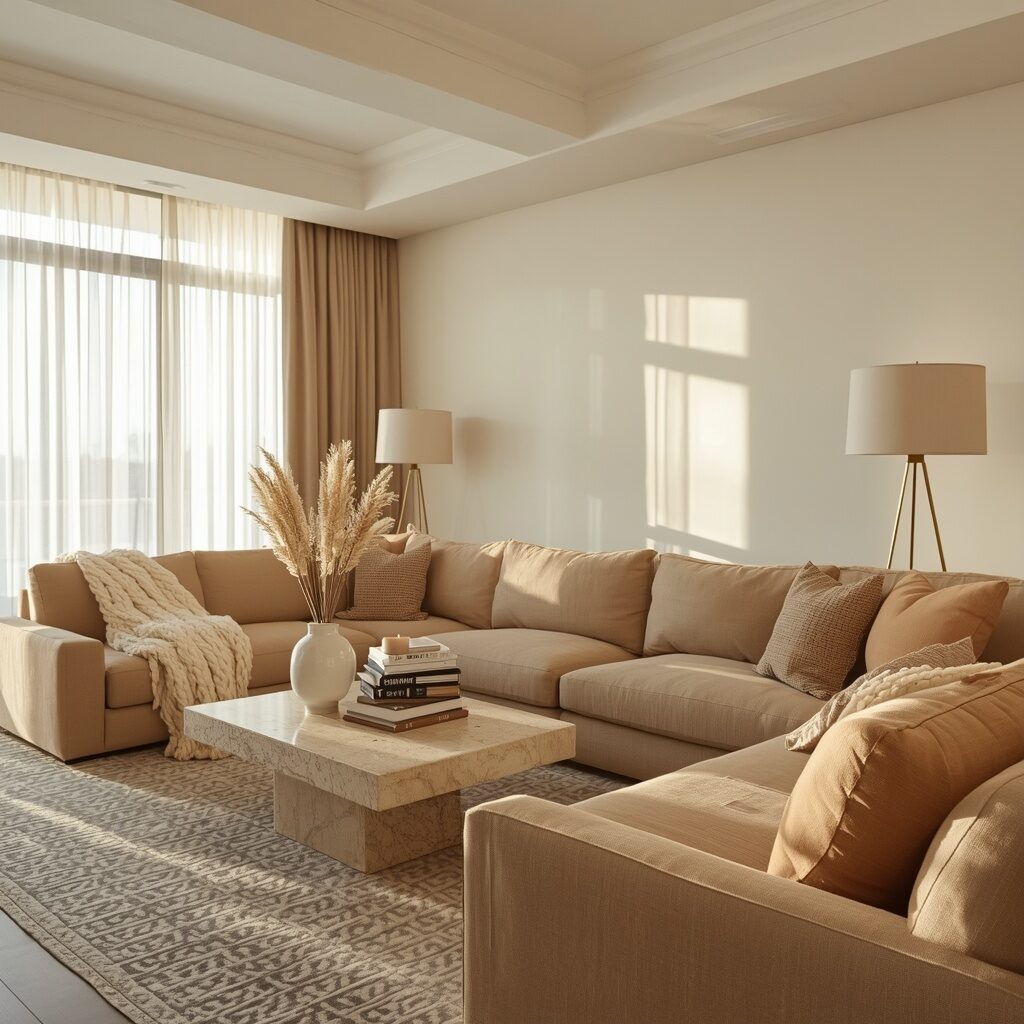
This approach to family room decorating is all about creating a sense of calm through color harmony. When you layer warm neutrals, you are essentially building a visual sanctuary where every tone speaks to comfort and timeless beauty. The key is to mix different textures within the same color family so the room does not feel flat or one-dimensional. Think about combining a plush velvet accent chair in mushroom gray with a nubby boucle sofa and smooth linen curtains. Add natural wood elements through side tables or floating shelves to ground the space with organic warmth. The beauty of this trend is that it works in any size room and adapts beautifully to changing seasons.
What makes warm neutral layering so irresistible right now is its ability to feel both luxurious and completely livable. You are not creating a museum piece; you are crafting a space where juice spills and cookie crumbs are welcome because everything feels forgiving and soft. Choose paint colors like Sherwin Williams Alabaster or Benjamin Moore Swiss Coffee for walls, then build outward with textiles in varying depths of cream, sand, and camel. The emotional result is a room that feels like a deep breath the moment you enter it
2. Statement Fireplace Wall
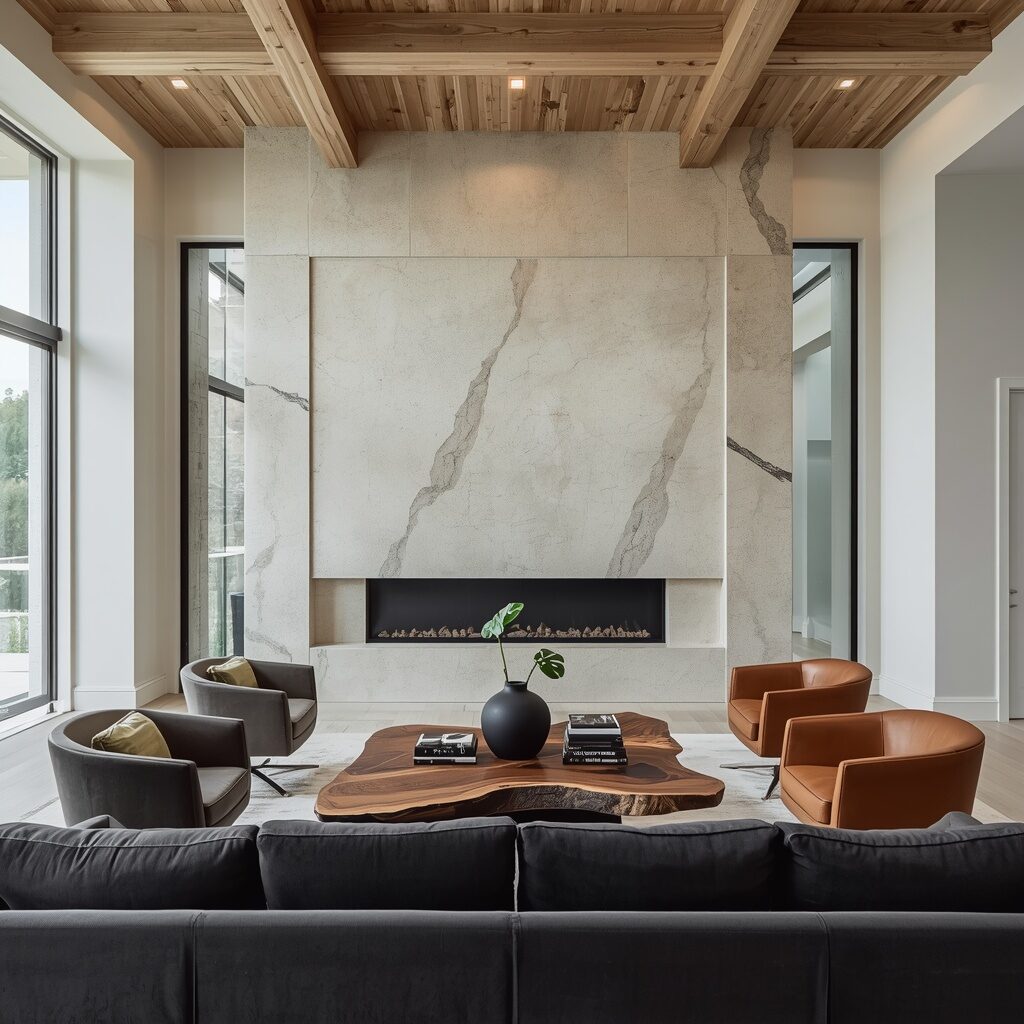
A fireplace has always been the natural heart of a family room, but today’s design trends are pushing it far beyond a simple mantel and surround. By treating your fireplace wall as a true architectural statement, you create an instant wow factor that draws the eye and anchors the entire room’s design. Whether you choose handcrafted zellige tile in a soft sage, dramatic black stacked stone, or sleek floor-to-ceiling marble, the material you select sets the emotional temperature for the entire space. This is where you can afford to be bold because the fireplace naturally commands attention.
The reason statement fireplace walls are dominating Pinterest right now is that they offer maximum impact with a relatively contained design choice. You are transforming one wall, not the entire room, yet the effect radiates outward. Pair your dramatic fireplace with understated furniture to let the texture shine, or echo the material in smaller accents like coasters or bookends for a cohesive feel. The crackling fire against a beautiful backdrop creates an atmosphere that no television or gadget can replicate. It is primal, it is beautiful, and it makes every winter evening feel like a retreat.
3. Biophilic Jungle Retreat
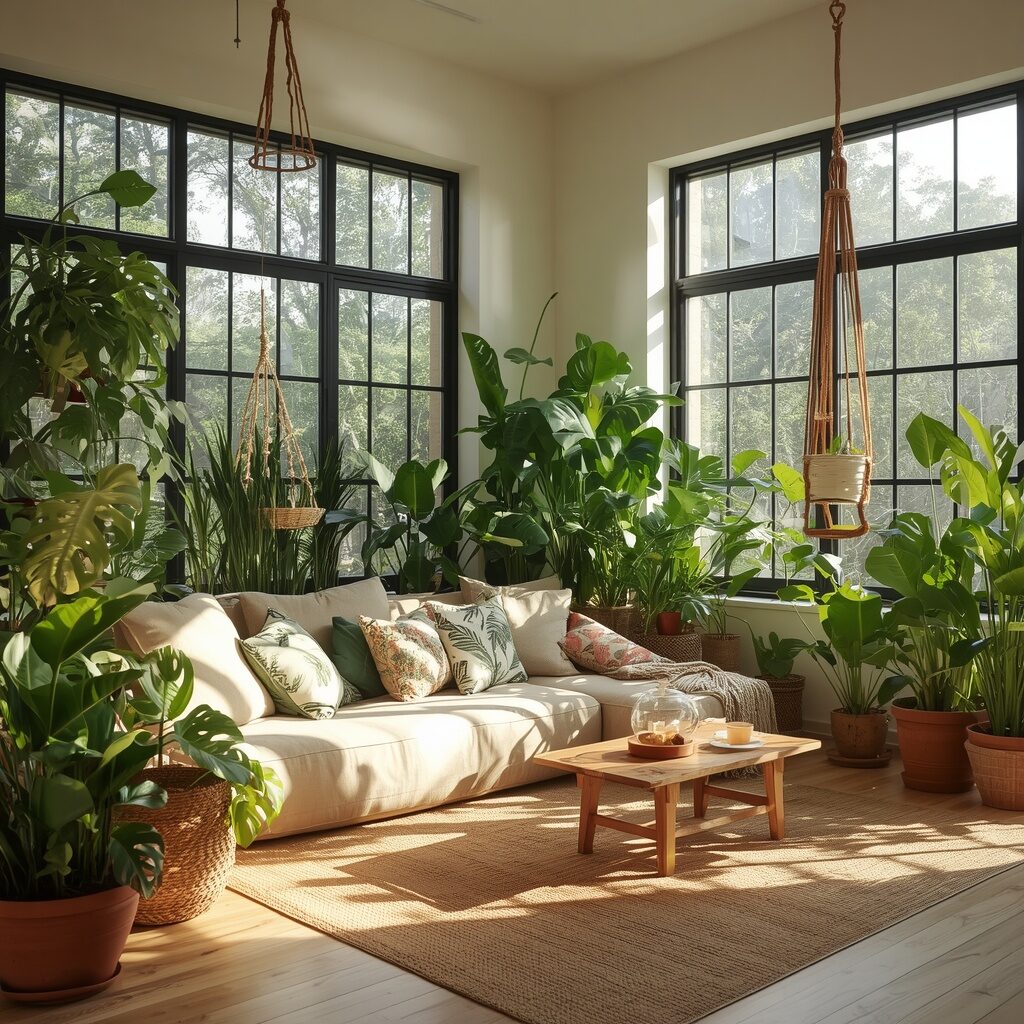
Bringing the outdoors inside is not just a trend; it is a return to something our souls have always craved. A biophilic family room connects you to nature even when the weather keeps you inside, and the benefits go far beyond aesthetics. Studies have shown that surrounding yourself with plants reduces stress, improves air quality, and creates a sense of vitality that synthetic decor simply cannot match. The trick is to vary your plant heights and textures, mixing tall statement plants like a fiddle leaf fig in the corner with trailing vines cascading from shelves and small succulents clustered on side tables.
What makes this idea so powerful for family rooms is that it works with any design style. You can pair plants with sleek modern furniture for a contemporary jungle vibe, or nestle them among vintage pieces for a collected, bohemian feel. Choose planters in natural materials like terracotta, woven baskets, and unglazed ceramic to keep the look grounded and organic. The emotional payoff is a room that feels alive, breathing, and constantly evolving as your plants grow. Every glance around the room reveals a new leaf unfurling, a new vine reaching toward the light, reminding you that beauty is a living, growing thing.
4. Cozy Reading Nook Corner
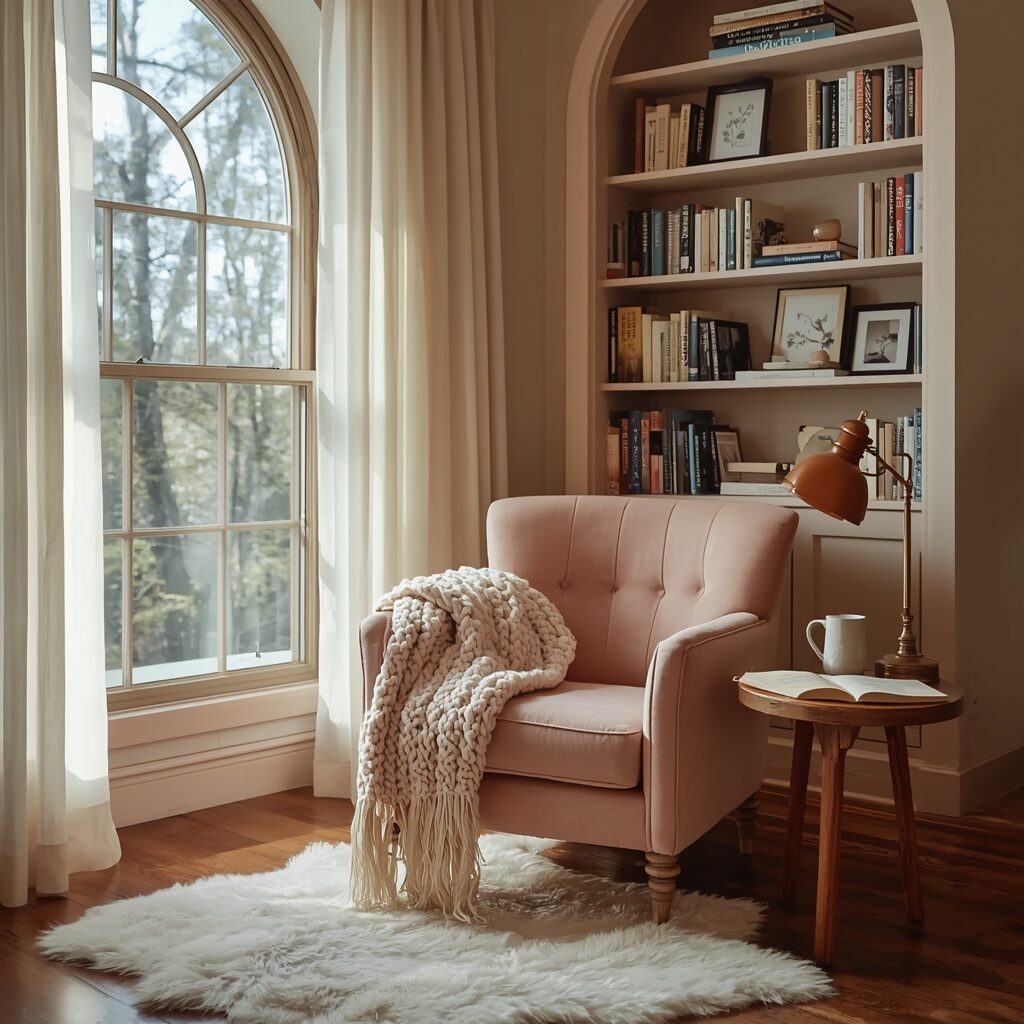
In a world that moves at breakneck speed, having a dedicated corner where you can simply pause and disappear into a good book is a radical act of self-care. A reading nook does not require a massive room or a big budget; it only asks for intention. The essential ingredients are a chair you never want to leave, light that flatters both the page and your face, and a small surface within arm’s reach for your tea, your glasses, and your current read. When you create this little sanctuary within your family room, you are sending a message to yourself and your family that rest is not just permitted here—it is celebrated.
The beauty of a reading nook is how it transforms an otherwise unused corner into the most coveted spot in the house. Position it near a window if possible, because natural light is the most flattering and energizing companion for reading. Layer in textures that beg to be touched: a velvet chair, a cashmere throw, a sheepskin rug underfoot. Add a small ottoman so you can put your feet up, and install a wall-mounted reading lamp to free up table space. The emotional resonance of this idea is profound; it is a physical manifestation of the idea that your home should have spaces designed specifically for your joy and rejuvenation.
5. Layered Textural Rug
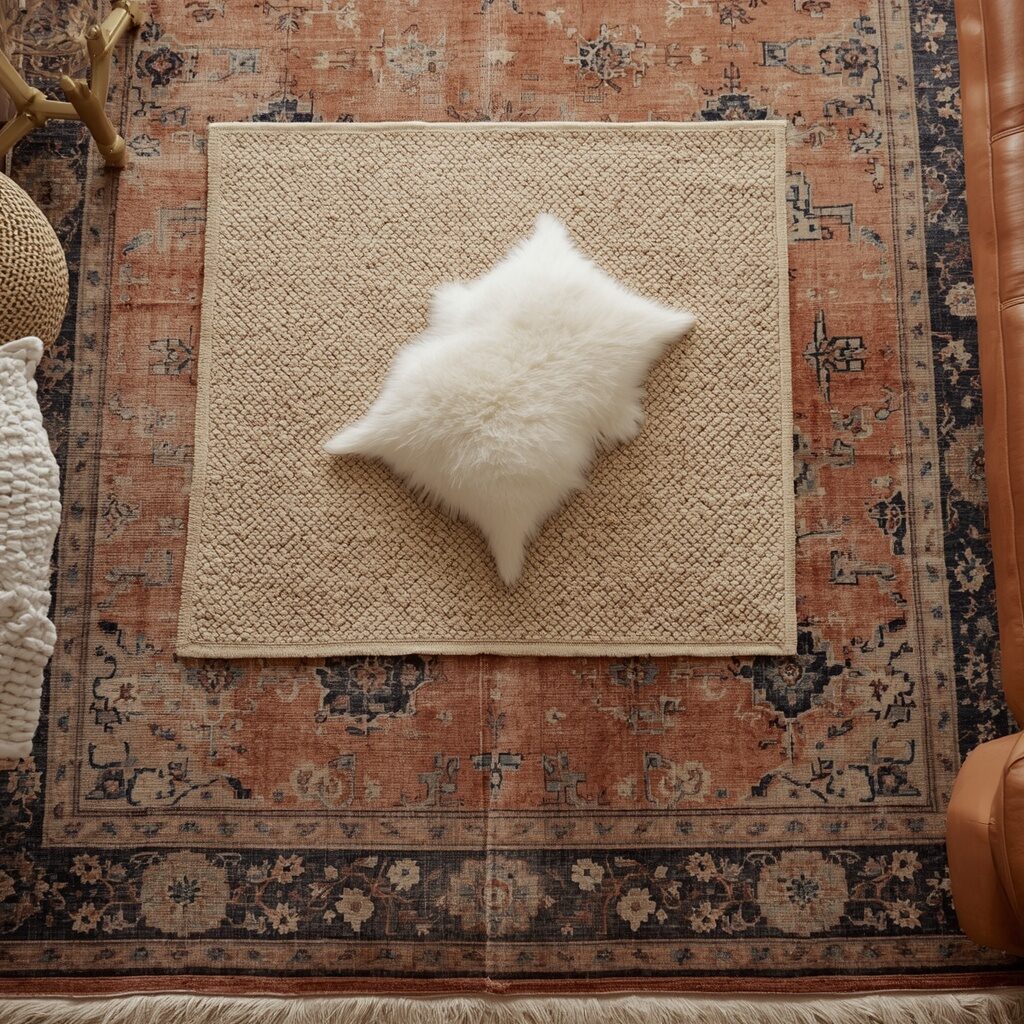
Rug layering is one of those design secrets that interior stylists have used for years, and now it is having a major moment on Pinterest because the results are so stunningly effective. By stacking rugs of different sizes, textures, and patterns, you create a floorscape that feels rich, intentional, and deeply cozy underfoot. The key is to start with a larger, more patterned base rug that anchors the room, then add a smaller natural fiber rug on top for contrast, and finish with something soft and organic like a hide or sheepskin for that final layer of luxury.
This technique works especially well in family rooms because it adds warmth and sound absorption, making the space feel quieter and more intimate. It also allows you to incorporate vintage or antique rugs that might be too small for the room on their own but become perfect as part of a layered composition. The mix of textures tells a story of travel, collection, and curation. When your feet sink into multiple layers of softness as you walk across the room, the physical sensation reinforces the emotional feeling of being completely at home.
✨ Keep scrolling, the next ideas get even better!
6. Moody Dark Academia
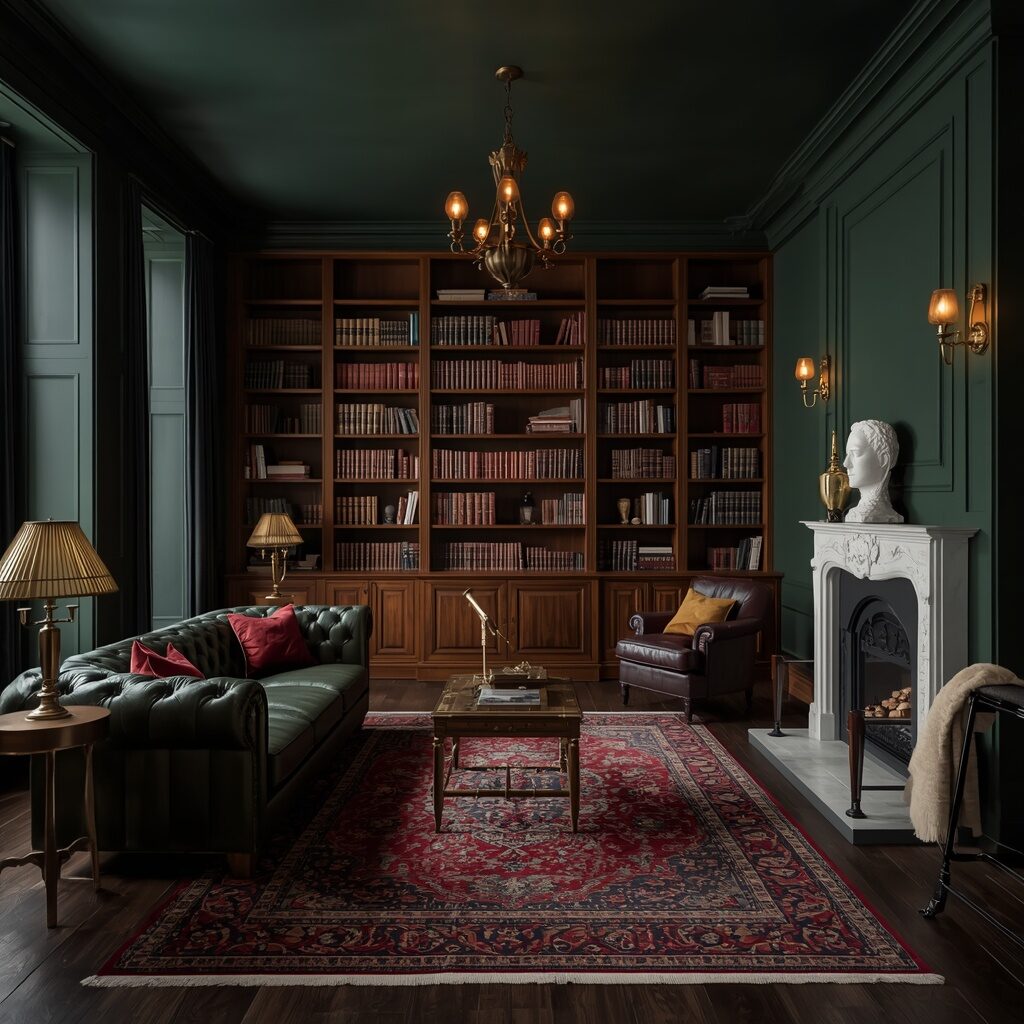
There is a particular kind of comfort that comes from being surrounded by deep, saturated colors—it feels like being wrapped in a velvet cloak or stepping into a private library where the outside world cannot reach you. The moody dark academia trend brings this feeling into the family room with rich forest greens, charcoal grays, burgundy accents, and plenty of wood and brass. It is sophisticated without being stuffy, cozy without being claustrophobic, and it creates an atmosphere that makes you want to linger with a glass of wine and a long conversation.
What makes this trend so compelling is that it challenges the conventional wisdom that family rooms must be light and bright to be welcoming. In reality, a darker palette can feel incredibly intimate and calming, especially in the evenings when lamplight bounces off richly painted walls and creates a glow that no white room can replicate. Balance the darkness with metallic accents in brass or gold, incorporate plenty of texture through velvet and leather, and add warm wood tones to keep the space from feeling cold. The result is a family room that feels like a refined retreat, a place where every evening feels special.
7. Japandi Minimalism
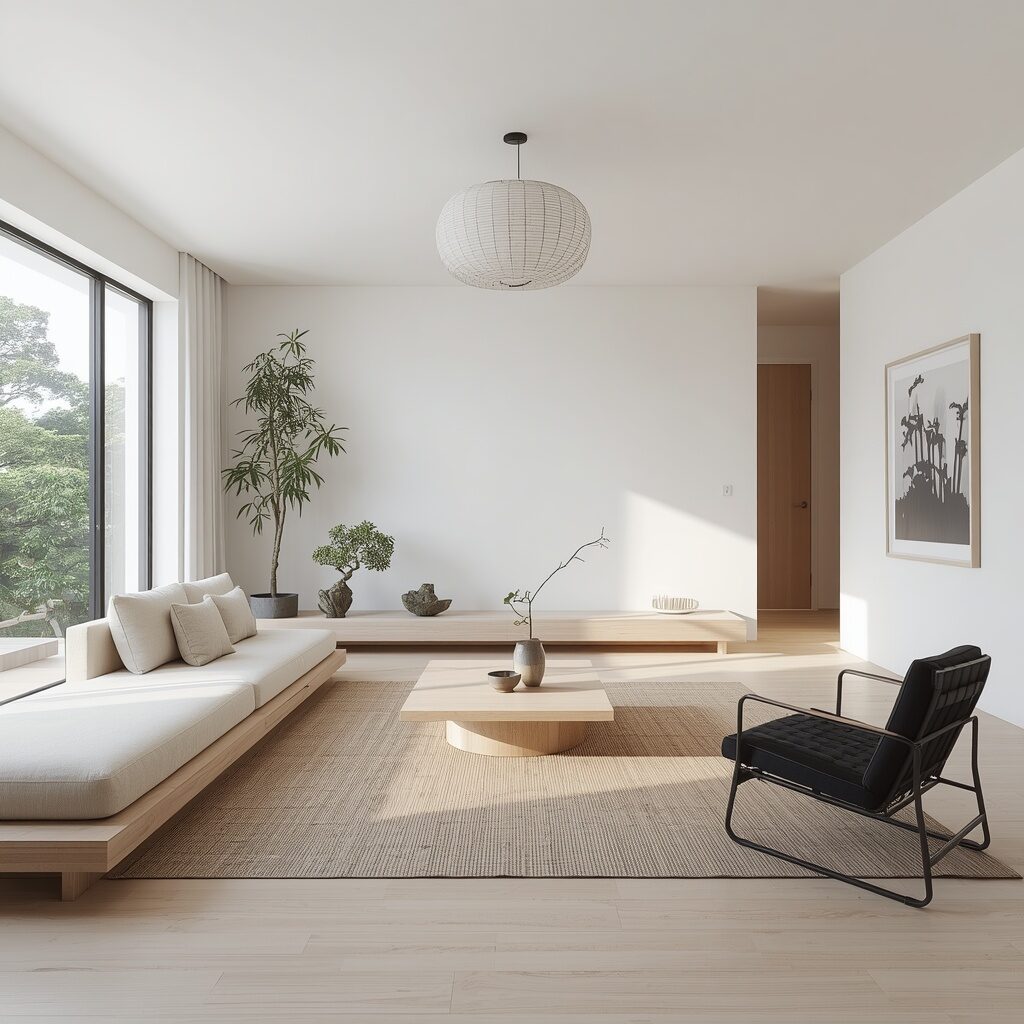
Japandi is more than just a design trend; it is a philosophy that asks you to be intentional about every single object in your space. By combining Japanese wabi-sabi—the appreciation of imperfection and transience—with Scandinavian hygge—the pursuit of cozy contentment—you create a family room that feels both calm and deeply nurturing. The aesthetic is characterized by clean lines, natural materials, a restrained color palette, and a complete absence of clutter. Every piece in the room earns its place through beauty, function, or ideally both.
The reason Japandi resonates so powerfully in family rooms is that it creates a visual exhale. In a world of constant stimulation, walking into a space that has been carefully edited down to only what is necessary and beautiful feels like a gift to your nervous system. Choose furniture with low profiles to create a sense of spaciousness, favor natural materials like oak, linen, and wool, and keep decorative objects minimal but meaningful. A single ceramic vase, a handmade textile, or a piece of natural driftwood can hold more visual weight than a shelf full of knickknacks. The emotional effect is one of clarity, peace, and quiet luxury.
8. Gallery Wall Storytelling
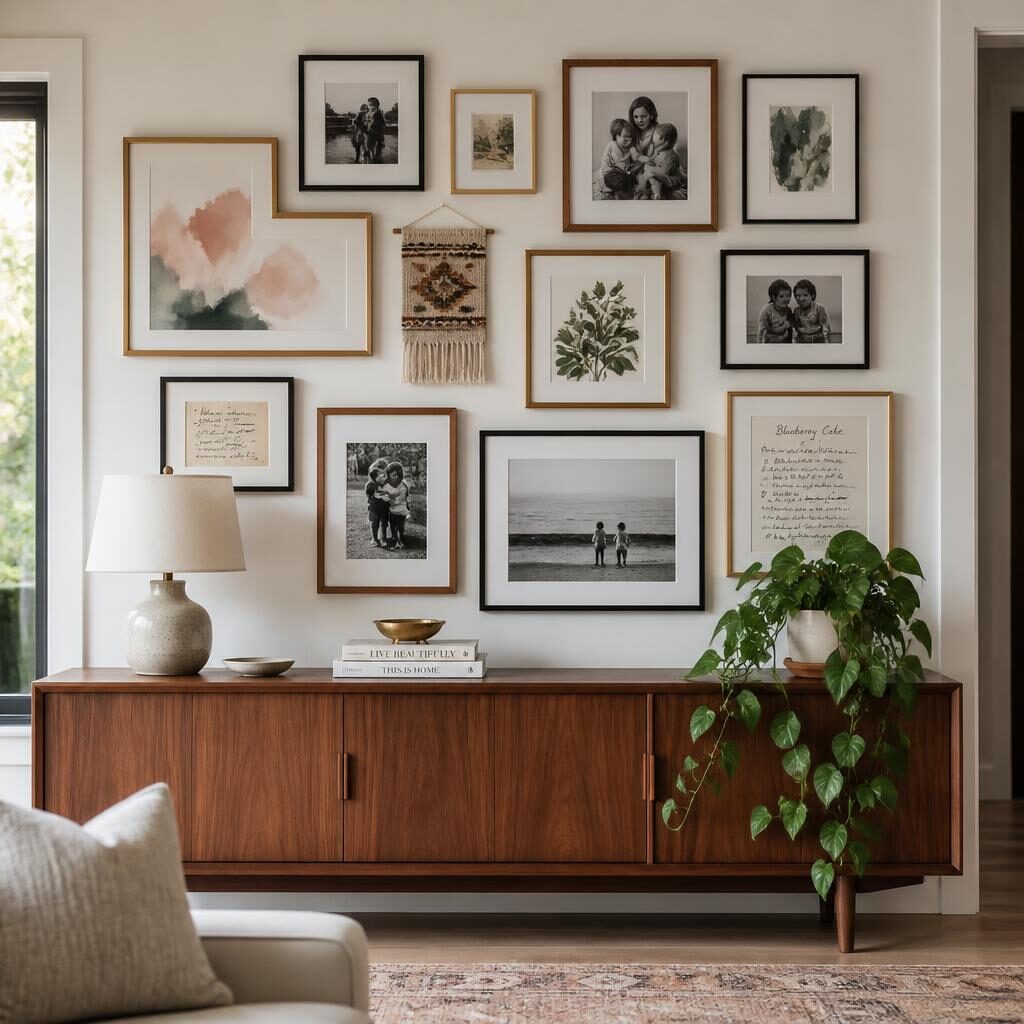
A gallery wall is where your family room becomes truly yours. While furniture and paint colors set the stage, the art and photographs you choose to display tell the story of who lives here, what you value, and where you have been. The most compelling gallery walls are not perfectly matched sets from a big-box store; they are collections built over time, featuring a mix of family photographs, original art, vintage finds, and meaningful objects that reflect the unique personality of your household. The arrangement should feel organic, as if it grew naturally rather than being forced into a rigid grid.
The trend toward storytelling gallery walls is gaining momentum because people are craving authenticity in their spaces. They want homes that feel lived-in and loved, not staged and sterile. Start by gathering pieces that mean something to you: your grandmother’s handwritten recipe framed beside a photo from your wedding, a print from your favorite local artist next to your child’s first drawing in a beautiful frame. Lay everything out on the floor first to find a composition that feels balanced but not rigid, then transfer it to the wall. The emotional impact is immediate; every time you walk past, you are reminded of the people and moments that matter most.
9. Soft Curved Furniture
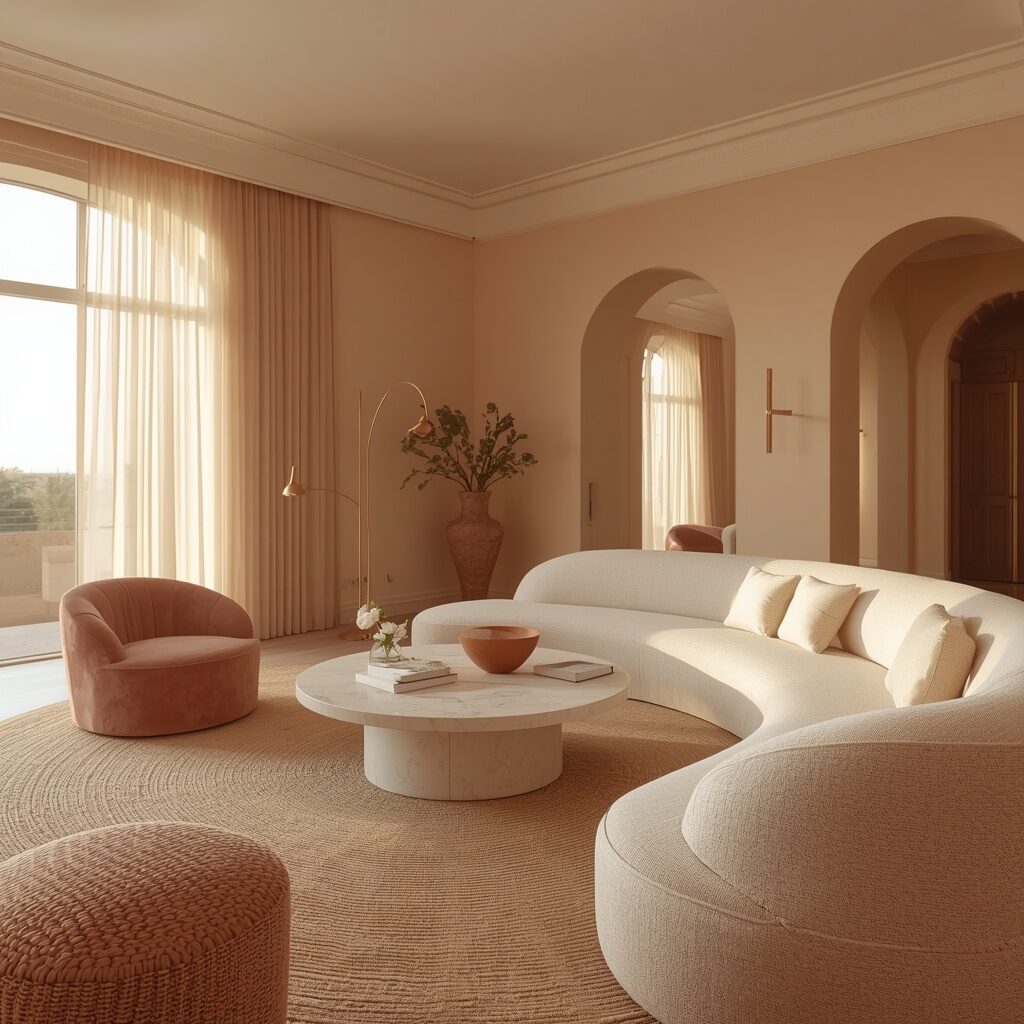
This is the idea that makes people stop scrolling and immediately hit the save button. Soft curved furniture is having a major moment in interior design, and for good reason: it feels fundamentally different from traditional angular pieces. A rounded sofa invites you to sink in and curl up. A circular coffee table eliminates the sharp corners that make a room feel rigid. Arched mirrors and doorways create a sense of flow and movement. The overall effect is one of being held, cradled, and comforted by your space, which is exactly what a family room should do.
The trend toward curves is a response to the anxiety and harshness of modern life. We are drawn to shapes that feel organic, natural, and forgiving. When selecting curved pieces, look for sofas with rounded backs and arms, circular or kidney-shaped coffee tables, and accent chairs that swivel or have enveloping forms. Pair these soft shapes with warm, earthy colors like peach, terracotta, and sand to amplify the nurturing feeling. The result is a family room that feels like a gentle embrace, a space where tension melts away and relaxation comes easily.
10. Vintage Modern Mix
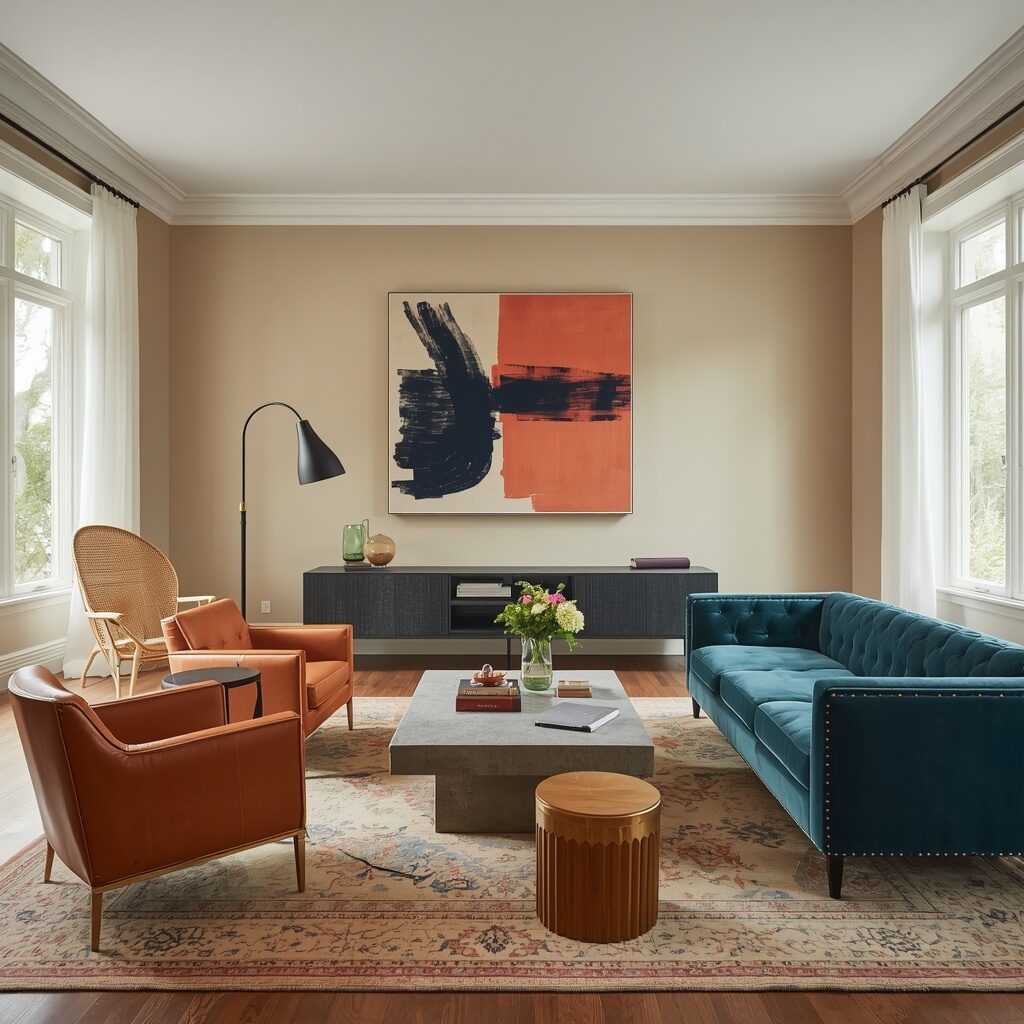
There is a special magic that happens when you place a sleek modern sofa beside a weathered vintage trunk, or hang a contemporary abstract painting above an antique credenza. The contrast creates visual tension and interest that no single-era room can match. The vintage modern mix trend celebrates the idea that your family room should look like it evolved over time, reflecting different chapters of your life and different design periods that speak to you. It is about confidence, not matching, and the result is a space that feels deeply personal and impossible to replicate.
What makes this approach so perfect for family rooms is that it allows you to incorporate meaningful heirlooms without making the room feel like a time capsule. Your grandmother’s rocking chair can sit beside a brand-new modular sofa. A vintage kilim rug can ground a room with modern track lighting. The key is to find one or two unifying elements—perhaps a consistent color palette or a repeated material like brass or wood—that tie the different eras together. The emotional result is a room that tells a story, one where every piece has a history and every corner holds a memory.
✨ Keep scrolling, the next ideas get even better!
11. Floor-to-Ceiling Sheer Curtains
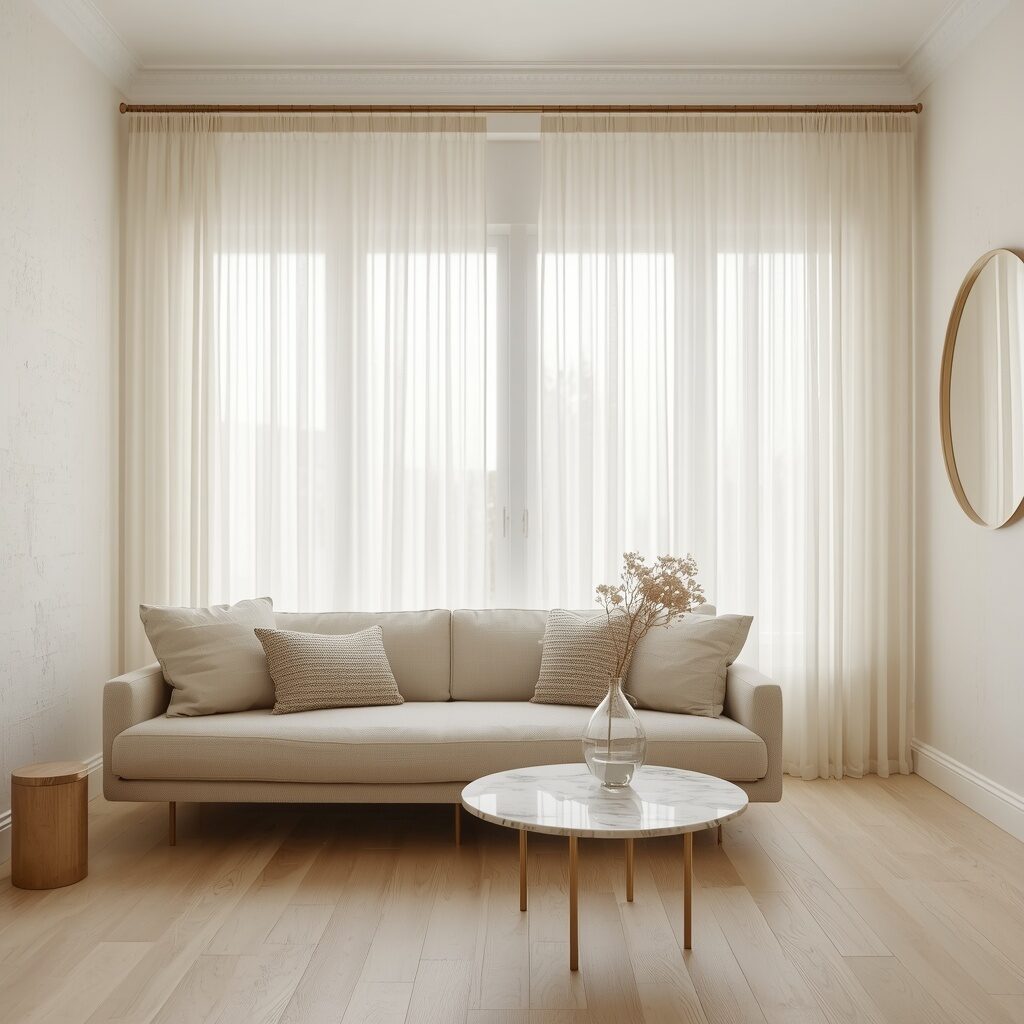
There is a reason interior designers obsess over window treatments: they have the power to completely transform how a room feels. Floor-to-ceiling sheer curtains are one of the most effective and affordable ways to elevate your family room from basic to breathtaking. By mounting the curtain rod close to the ceiling and extending it well beyond the window frame, you create the illusion of larger windows and higher ceilings. The sheer fabric allows natural light to filter through while softening its harshness, bathing the room in a gentle, diffused glow that makes everything and everyone look better.
This idea is trending because it brings an element of romance and softness to any space, regardless of the architectural style. The curtains move gently with air currents, adding life and movement to the room. Choose Belgian linen or a high-quality sheer cotton in ivory or warm white for the most flattering light. If privacy is a concern, layer the sheers over blackout roller shades that can be lowered at night. The emotional effect is one of living in a space that feels light, open, and gracefully appointed, like a room in a European boutique hotel.
12. Built-In Window Seat
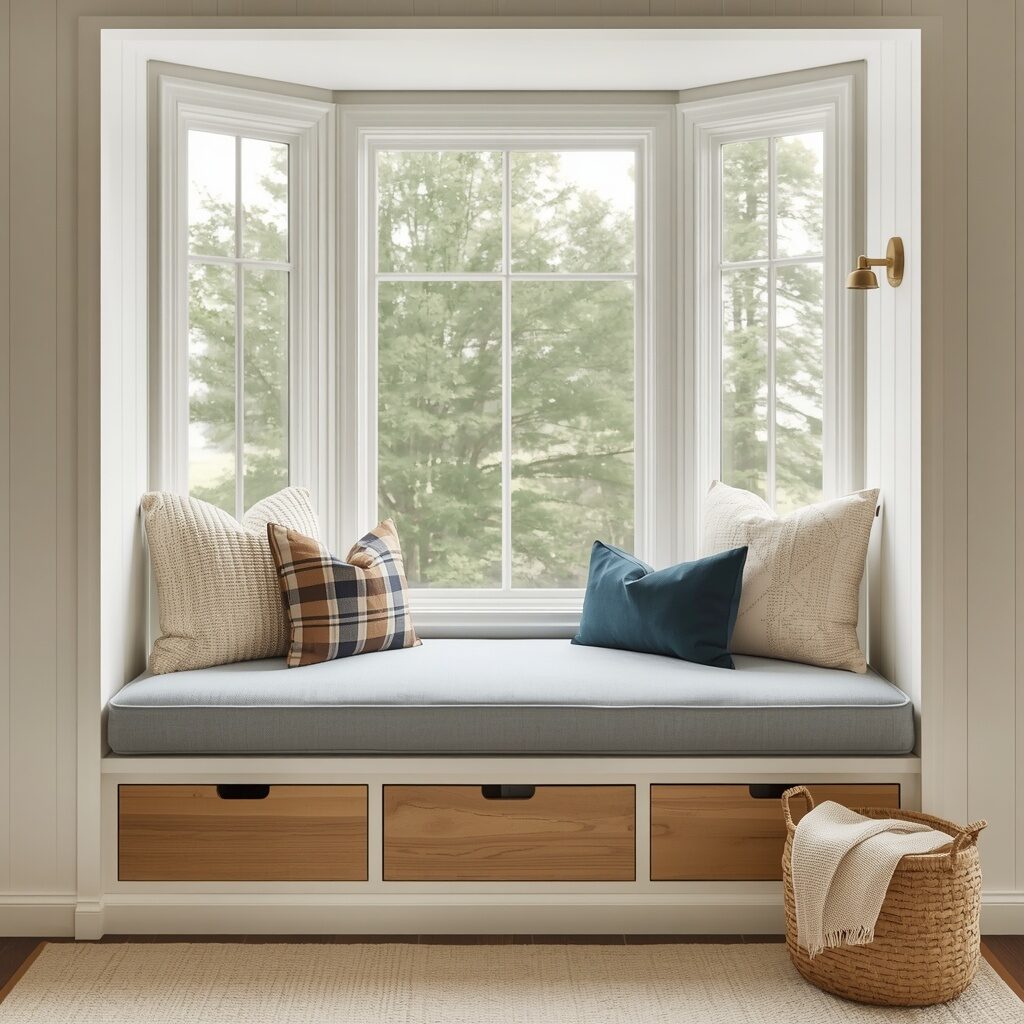
A built-in window seat is the architectural equivalent of a warm hug. It takes an otherwise ordinary window and transforms it into the most desirable spot in the room—a place to read, to daydream, to watch the rain, or to simply be still. The genius of this idea is that it adds both beauty and function; the bench provides extra seating for gatherings, and the storage drawers beneath can hide blankets, board games, or toys, keeping your family room looking serene even when life gets messy.
What makes window seats so beloved is their ability to make a room feel custom and high-end without requiring a massive renovation. Even a simple bench with a cushion and a few pillows can create the effect if you do not have built-ins. The key is to make it deep enough to lounge comfortably and to pile it high with pillows in varying textures and patterns. Position a small side table nearby for your coffee, and add a wall-mounted reading light for evening coziness. The emotional resonance is powerful; this little nook becomes a personal retreat within the larger space, a place that feels like it was designed just for you.
13. Earthy Terracotta and Clay
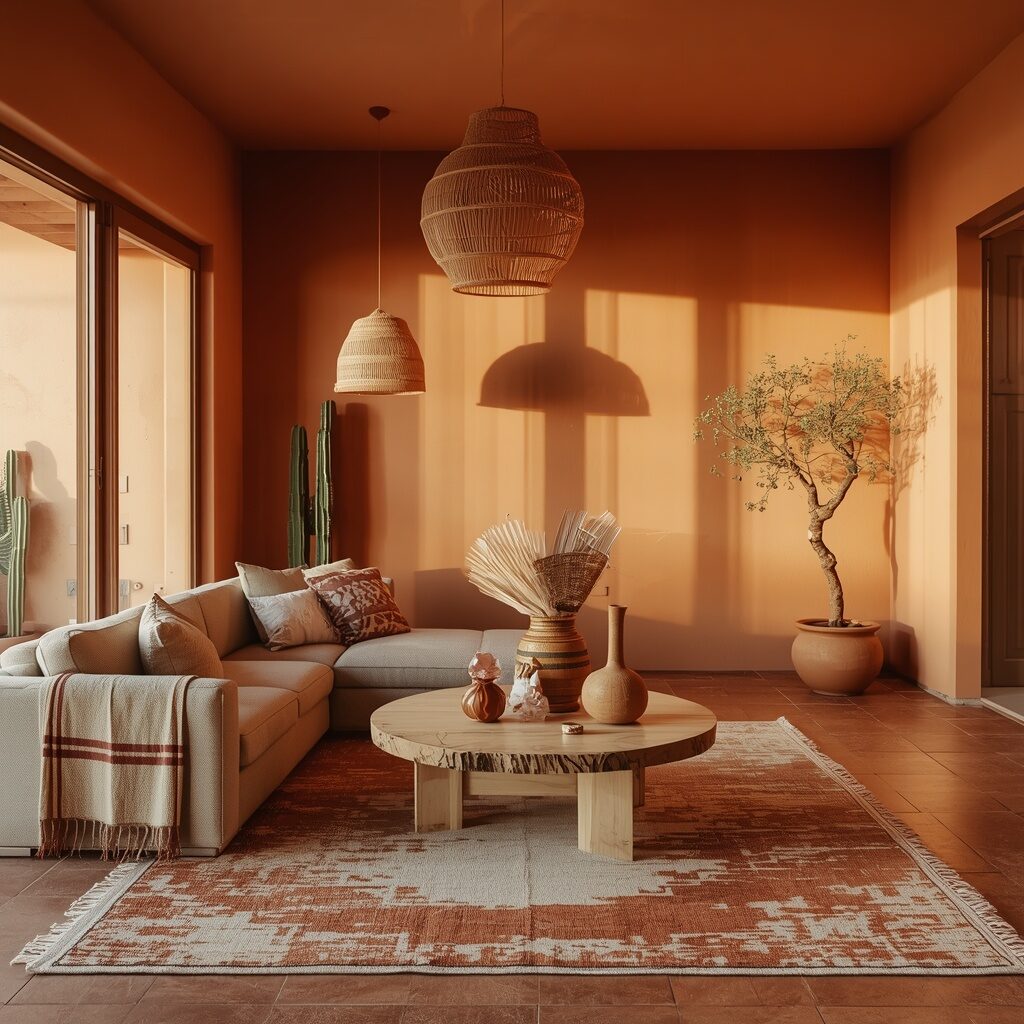
There is something primal and comforting about the colors of sun-baked earth. Terracotta, clay, sand, and rust connect us to the natural world in a way that feels ancient and enduring. Bringing these tones into your family room creates an atmosphere that is warm, welcoming, and subtly energizing. The key is to layer different shades and textures within the earthy palette so the room feels rich and dimensional rather than monochromatic. Think about pairing a terracotta accent wall with cream linen furniture, a rust-colored throw, and sage green plants.
This trend is exploding on Pinterest because it offers a fresh alternative to the cool grays that have dominated interiors for years. Terracotta and clay tones feel optimistic and alive, like a sunset you can live inside. Incorporate handmade elements to enhance the organic feeling: rough-textured ceramic vases, woven wall hangings, and natural fiber rugs. The materials should feel like they came from the earth, not a factory. The emotional effect is one of being grounded and centered, of returning to something fundamental and true.
14. Luxe Velvet Accents
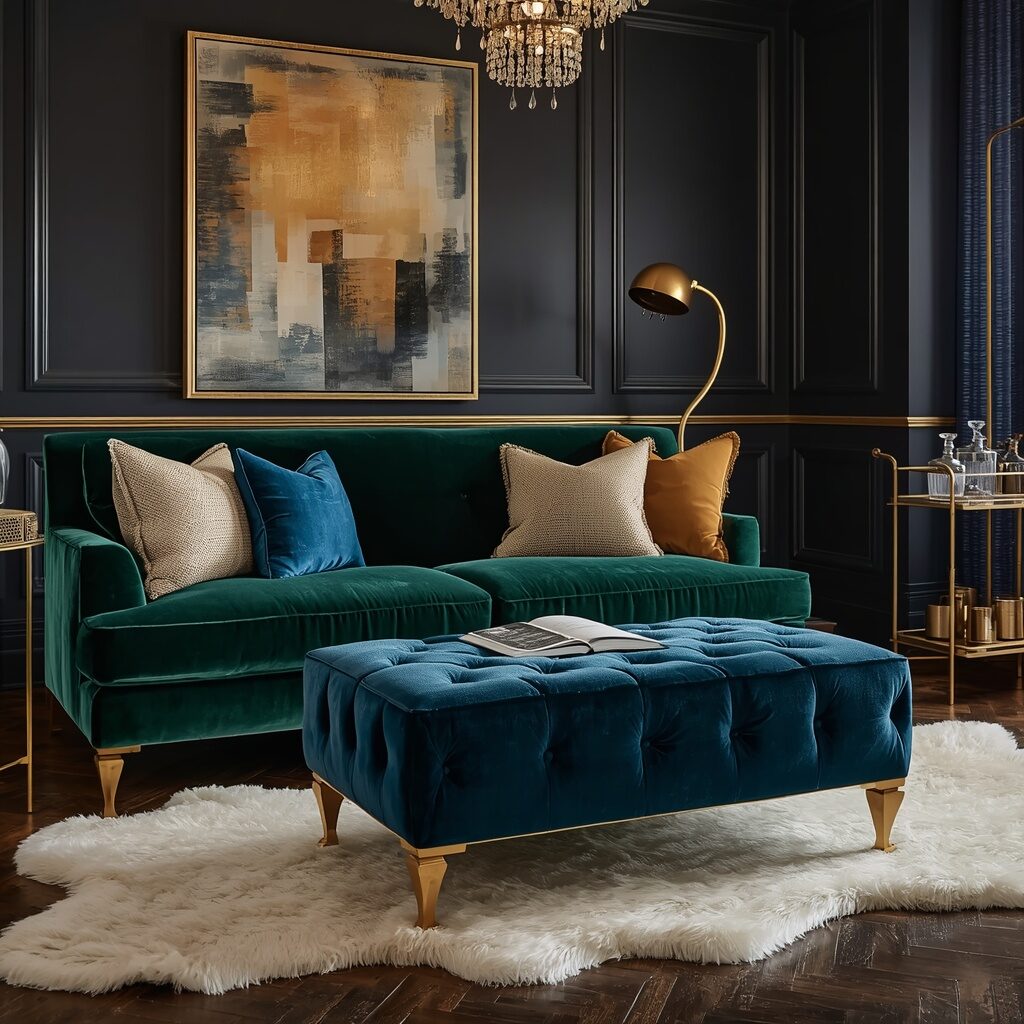
Velvet is the fabric equivalent of a deep, satisfied sigh. It catches light in the most beautiful way, changing color as you move around the room, and it invites touch in a way that few other materials can. Adding velvet accents to your family room is one of the fastest ways to elevate the space from casual to luxurious without changing the entire room. A single emerald green velvet sofa can become the focal point around which everything else revolves. Sapphire blue velvet cushions on a neutral sofa add depth and richness. A velvet ottoman in mustard or rust brings warmth and sophistication.
The reason velvet accents are so popular right now is that they offer drama and comfort simultaneously. Unlike some luxury materials that feel untouchable, velvet begs to be lounged upon. It is surprisingly durable and family-friendly, especially when you choose performance velvets that resist stains. The jewel tones—emerald, sapphire, ruby, amethyst—create a sense of opulence and depth that lighter fabrics cannot achieve. The emotional impact is immediate: your family room feels special, elevated, and worthy of celebration.
15. Natural Wood Ceiling Beams
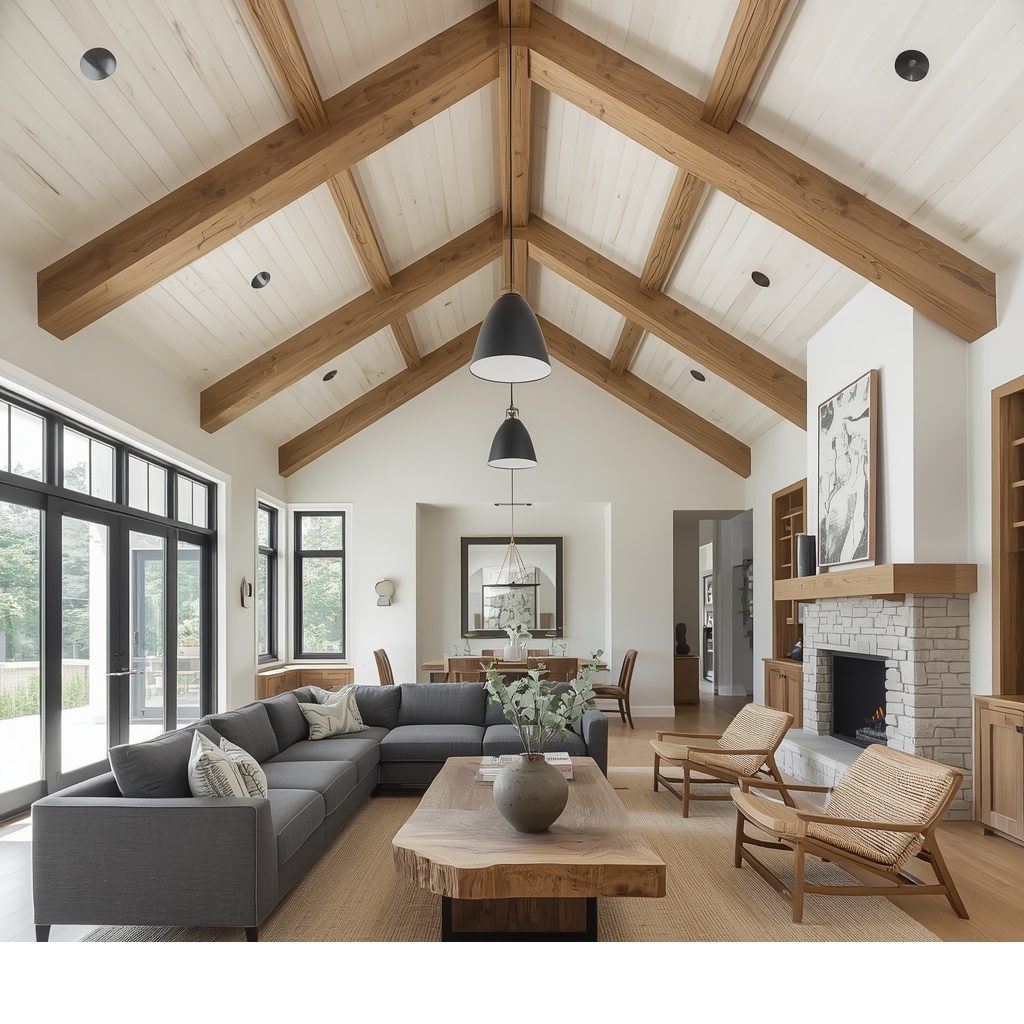
Ceiling beams are one of those architectural details that instantly signal quality and character. Whether they are original to your home or carefully added during a renovation, exposed wood beams draw the eye upward, add visual weight and warmth, and create a sense of history that new construction often lacks. In a family room, beams can transform a plain white box into a space with soul and substance. The natural wood tones ground the room and provide a beautiful contrast to softer elements like upholstered furniture and draped textiles.
This trend continues to dominate because it bridges the gap between rustic and refined so effortlessly. Thick, hand-hewn beams feel at home in a modern farmhouse setting, while sleek, dark-stained beams can anchor a contemporary space with organic warmth. If you do not have structural beams to expose, faux beams made from hollow wood boxes can achieve the same visual impact at a fraction of the cost. Paint the ceiling between the beams white to make them pop, or stain them all the same warm tone for a cohesive look. The emotional effect is one of permanence and shelter, of being in a space that has stood the test of time.
✨ Keep scrolling, the next ideas get even better!
16. Oversized Sectional Sanctuary
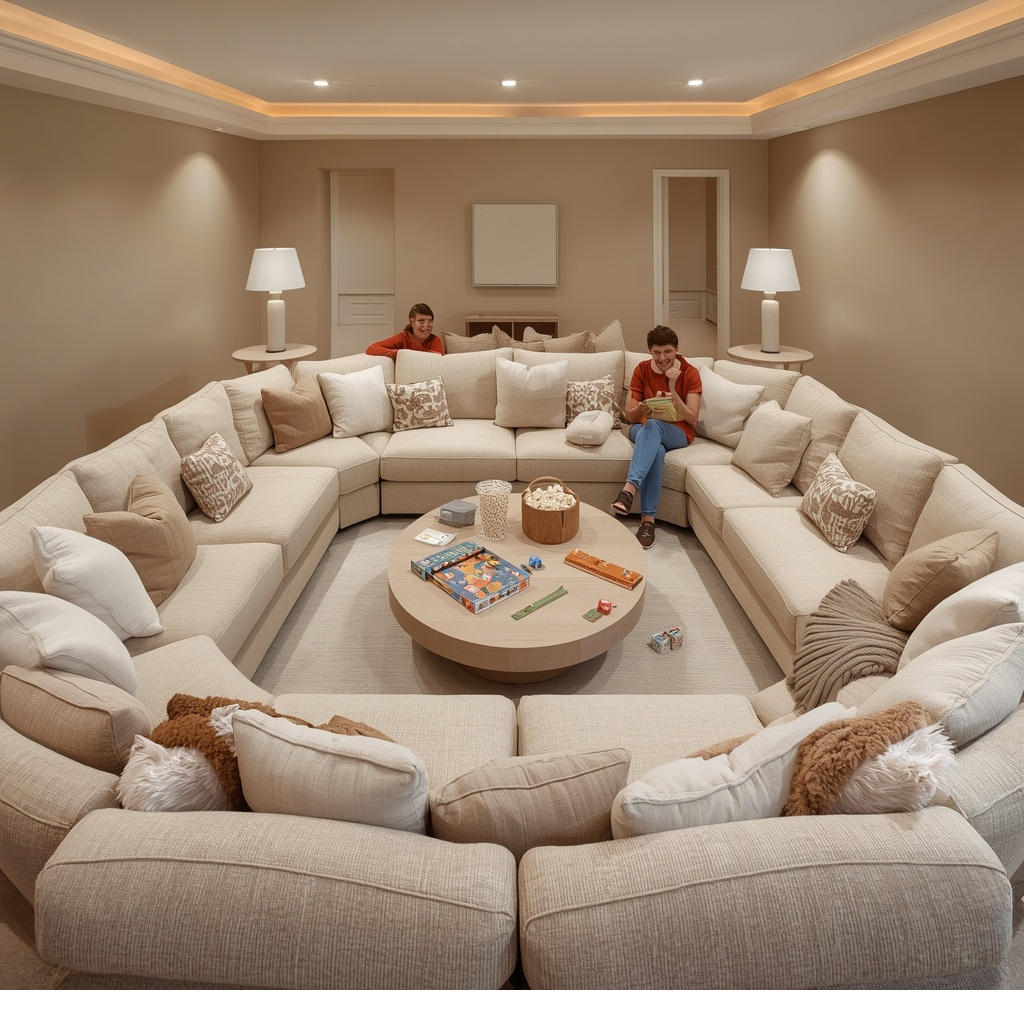
If the family room is the heart of the home, then the sectional sofa is the heartbeat. An oversized, deep-seated sectional is quite simply the ultimate luxury for family living. It is where everyone gathers for movie night, where teenagers sprawl with their homework, where parents collapse after a long day, and where pets curl up in the corner. The key is to go as deep and as plush as your space allows, because a sectional that you can truly sink into changes the entire feeling of the room from formal to familial.
This idea is trending because people are prioritizing comfort and togetherness in their homes more than ever before. The sectional becomes a piece of furniture that facilitates connection, creating a natural gathering spot where everyone faces each other or shares a view of the television. Choose a performance fabric that can withstand spills and pet hair, and do not be afraid to go oversized. Add a generous collection of pillows in different textures and sizes to make it feel even more inviting. The emotional impact is one of abundance and welcome, a space that says there is always room for one more.
17. Woven Wicker and Rattan
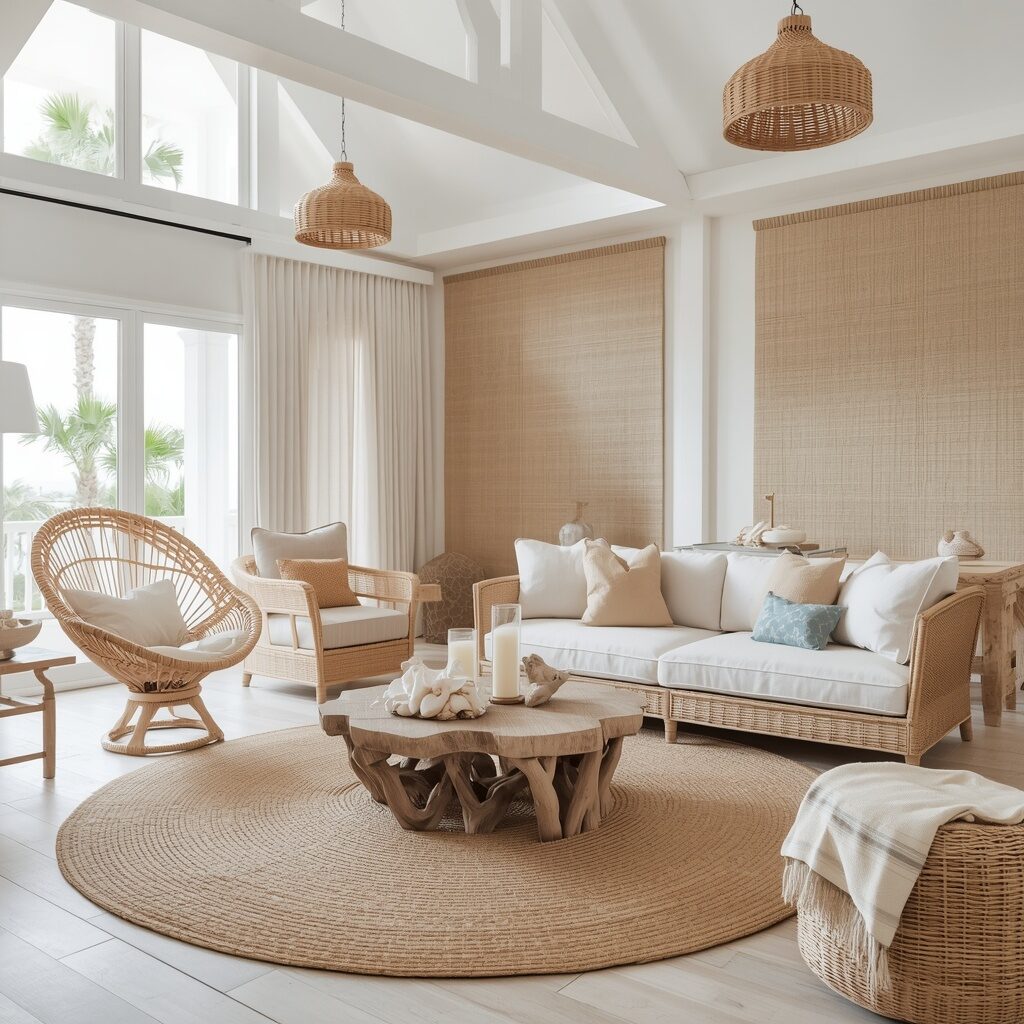
Woven materials have a way of making a room feel instantly relaxed and approachable. Wicker, rattan, seagrass, and jute bring texture, warmth, and a subtle nod to nature that makes spaces feel less constructed and more organic. In a family room, these materials are especially effective because they signal that this is a place to kick off your shoes and unwind. A rattan accent chair, a seagrass coffee table, or a set of woven pendant lights can transform the energy of the room from formal to vacation-mode.
The resurgence of woven materials in interior design is tied to our collective desire for natural, sustainable, and handcrafted elements in our homes. These pieces often have slight imperfections and variations that make them feel unique and artisanal. Mix woven elements with soft textiles like linen and cotton to keep the room from feeling too rustic. Add touches of blue or coral if you want to emphasize the coastal vibe, or keep everything in warm neutrals for a more organic, earthy feel. The emotional result is a room that feels like a permanent vacation, light and easy and always welcoming.
18. Soft Pink and Blush Elegance
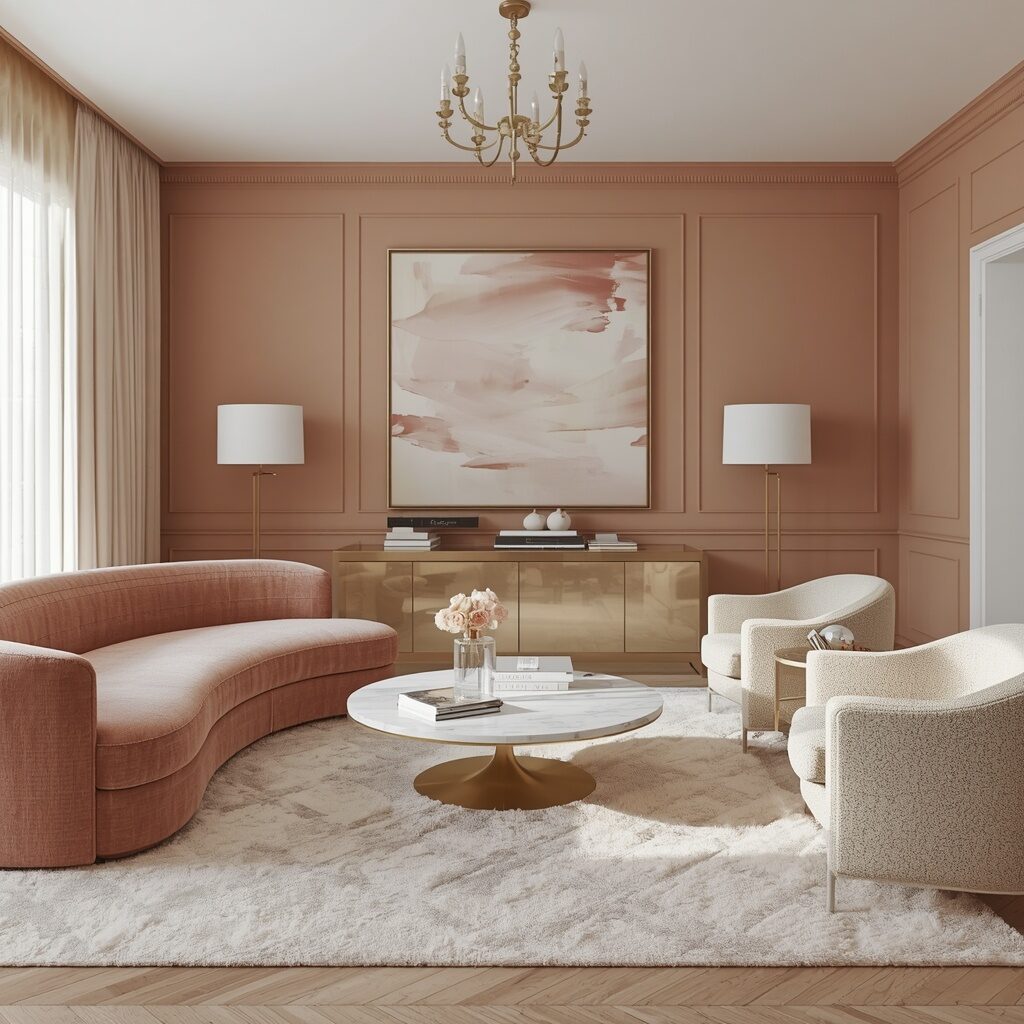
Pink has evolved far beyond the bubblegum stereotypes of childhood bedrooms. Today’s blush and dusty rose tones are sophisticated, calming, and surprisingly versatile. When used in a family room, soft pink creates an atmosphere that is warm, welcoming, and subtly romantic without being overly feminine or saccharine. The trick is to choose muted, complex shades of pink—think dusty rose, mauve, or warm blush—rather than bright or pastel versions. Pair these tones with plenty of cream, warm gray, and brass to keep the look grounded and adult.
This trend is gaining traction because it offers a fresh alternative to the beige and gray palettes that have dominated for so long. A blush accent wall or a pink velvet sofa becomes a conversation piece that feels both daring and approachable. The color has been shown to have a calming effect, making it perfect for a space designed for relaxation. Layer in textures like velvet, marble, and brass to elevate the look from sweet to sophisticated. The emotional effect is one of gentle luxury, a room that feels like a soft whisper rather than a loud statement.
19. Industrial Warmth
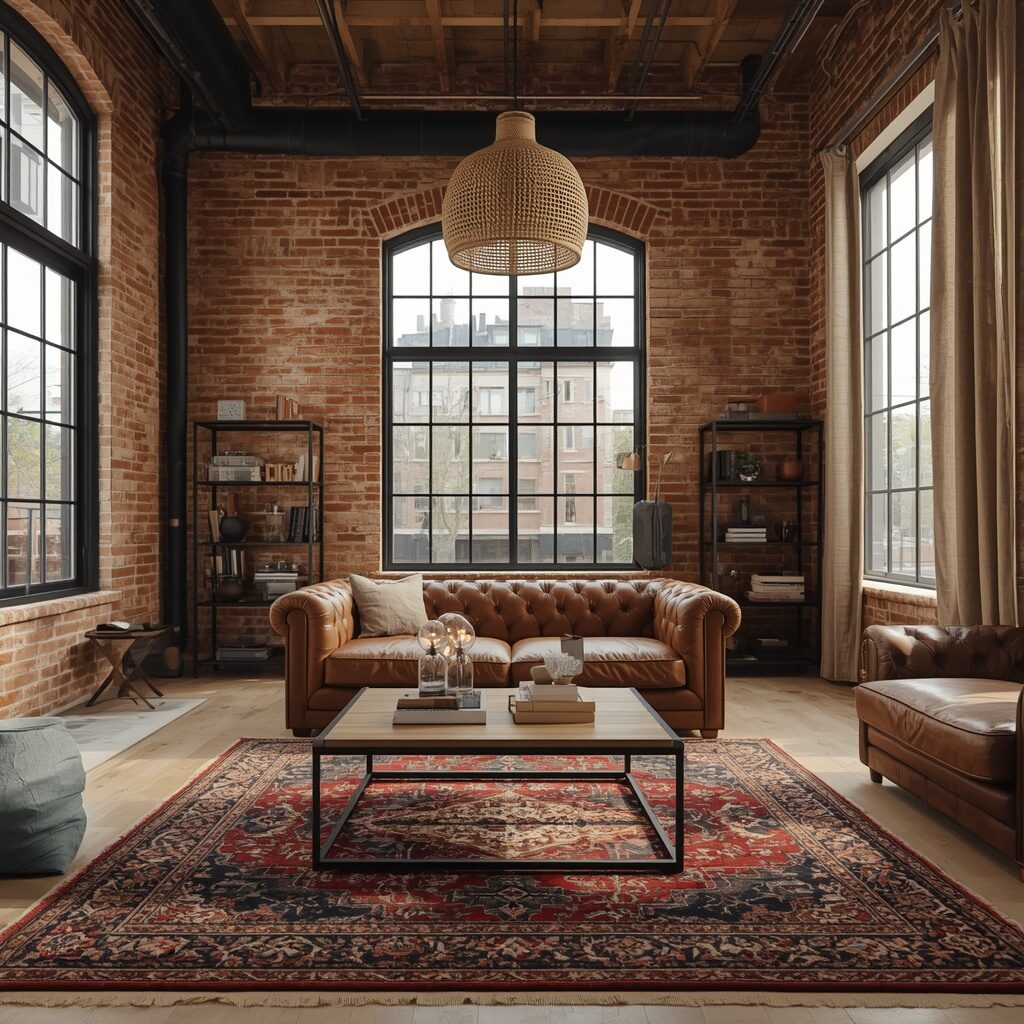
Industrial design often gets a bad reputation for being cold and uninviting, but when done right, it can be one of the coziest and most character-rich approaches to a family room. The secret is balance. Raw materials like exposed brick, concrete floors, and metal fixtures provide texture and edge, but they need to be softened with plush textiles, warm lighting, and organic elements to make the space feel livable. A worn leather sofa against a brick wall, draped with a chunky knit throw and piled with soft cushions, creates a contrast that is visually exciting and physically comfortable.
This style is perfect for loft apartments, converted warehouses, or any home with interesting architectural bones that you want to showcase rather than hide. The industrial elements tell a story of history and authenticity, while the soft furnishings make the room feel like home. Add plenty of warm wood tones through coffee tables or shelving, incorporate greenery to bring life to the raw materials, and use ambient lighting to soften the harshness of exposed fixtures. The emotional result is a space that feels both strong and nurturing, like a protective urban sanctuary.
20. Mirrored Light Expansion
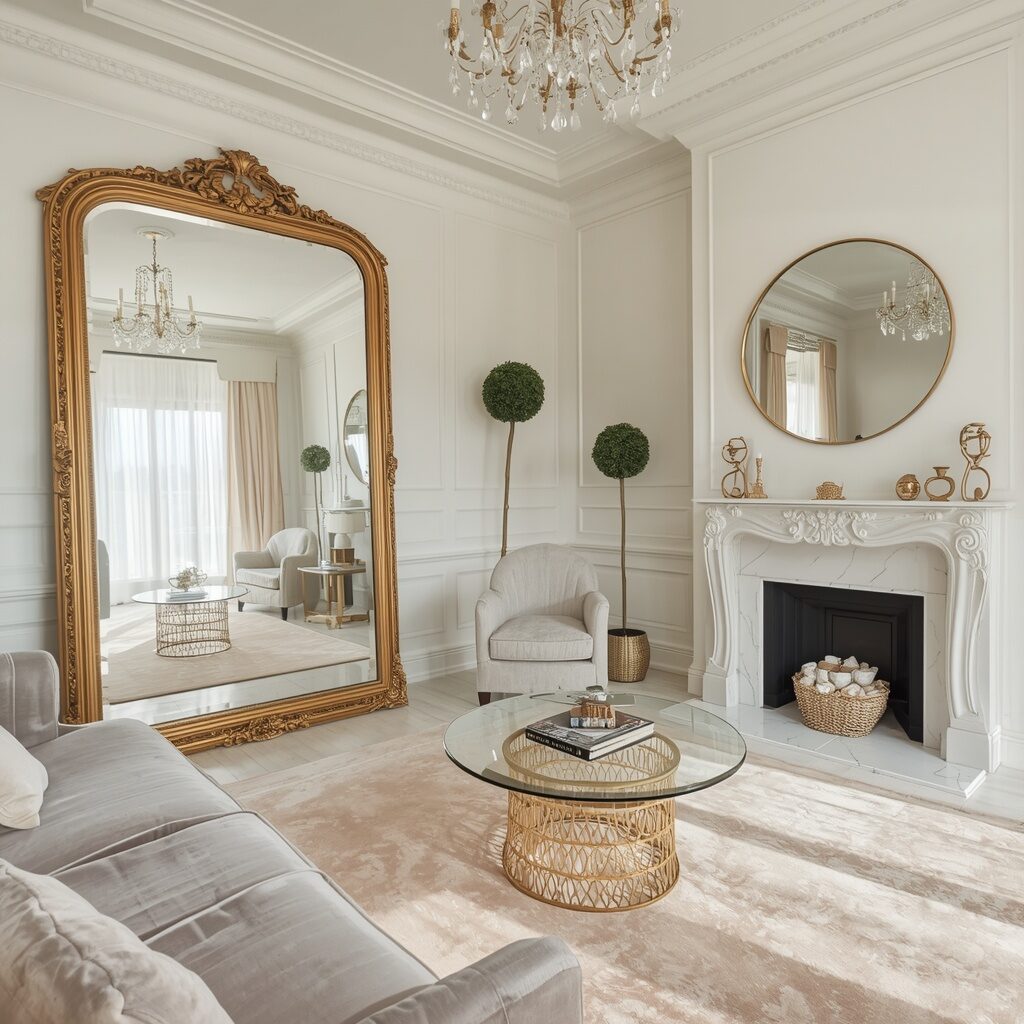
Mirrors are the magician’s tool of interior design. They can make a small family room feel spacious, a dark room feel bright, and a simple room feel glamorous. The key is placement and scale. One oversized mirror, whether hung on the wall or leaned casually against it, has far more impact than several small mirrors scattered around. Position mirrors where they will reflect something beautiful—a window, a chandelier, a piece of art, or a floral arrangement—rather than a blank wall or a cluttered corner.
This idea is timeless because it works in every style of family room, from modern minimalist to traditional maximalist. An ornate gilt mirror brings old-world glamour to a contemporary space, while a sleek frameless mirror adds modern polish to a rustic room. In addition to their visual benefits, mirrors also amplify the existing light in a room, making it feel more open and airy during the day and more sparkling and magical in the evening. The emotional effect is one of lightness and expansion, a room that feels bigger and brighter than its physical dimensions suggest.
✨ Keep scrolling, the next ideas get even better!
21. Global Textile Collection
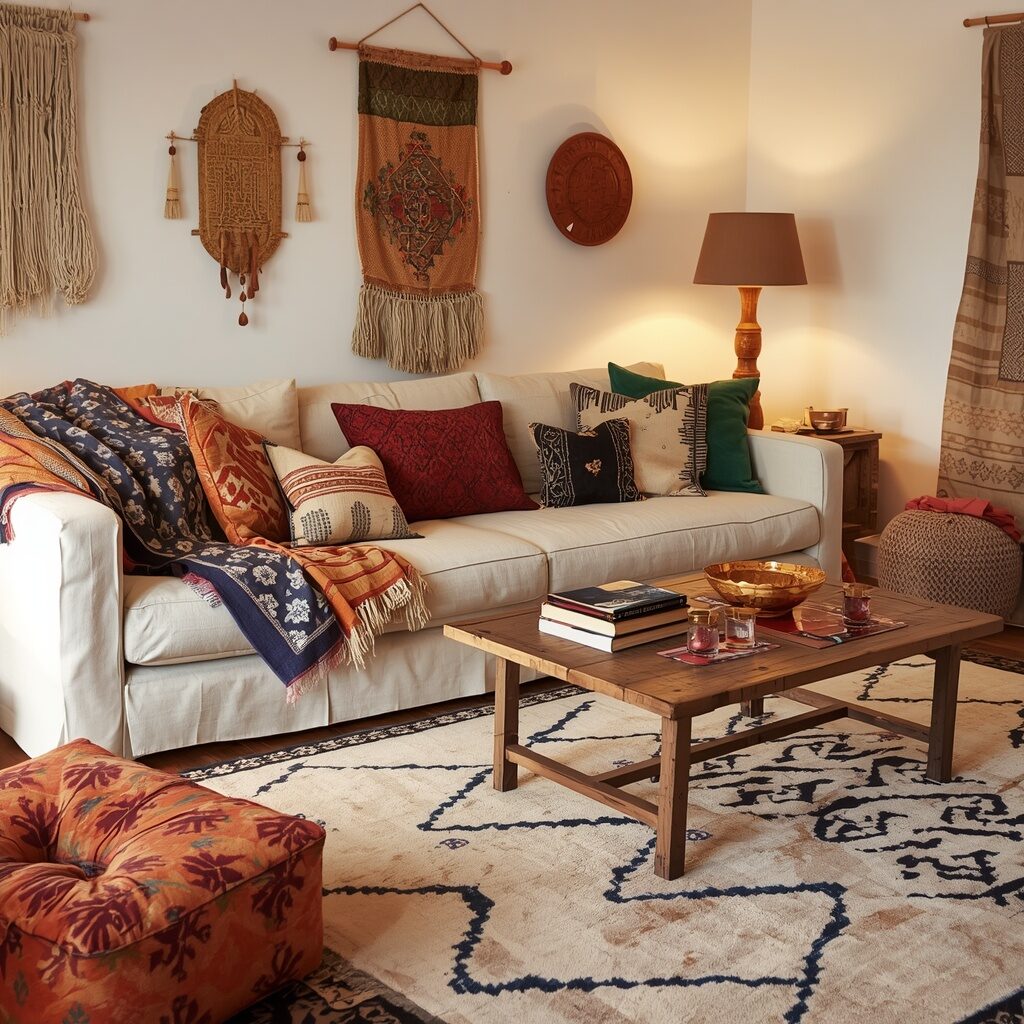
Your family room can tell the story of the world even if you have never left your hometown. Global textiles bring color, pattern, and cultural richness to a space in a way that mass-produced decor simply cannot match. A Moroccan wedding blanket draped over the sofa, Turkish kilim pillows scattered across the cushions, and an Indian block-printed table runner on the coffee table create layers of visual interest that reward the eye every time you look around. Each piece carries the imprint of the hands that made it, adding soul and authenticity to your space.
This trend resonates because it celebrates craftsmanship, tradition, and the beauty of imperfection. Handwoven textiles have slight variations and irregularities that make them feel alive and unique. When collecting global pieces, focus on quality over quantity and choose items that speak to you personally rather than filling your cart with every trendy import. Mix patterns and colors with confidence, but keep the larger furniture pieces neutral to prevent visual chaos. The emotional result is a room that feels like a curated gallery of your aesthetic journey, warm and worldly and full of stories.
22. Smart Hidden Storage
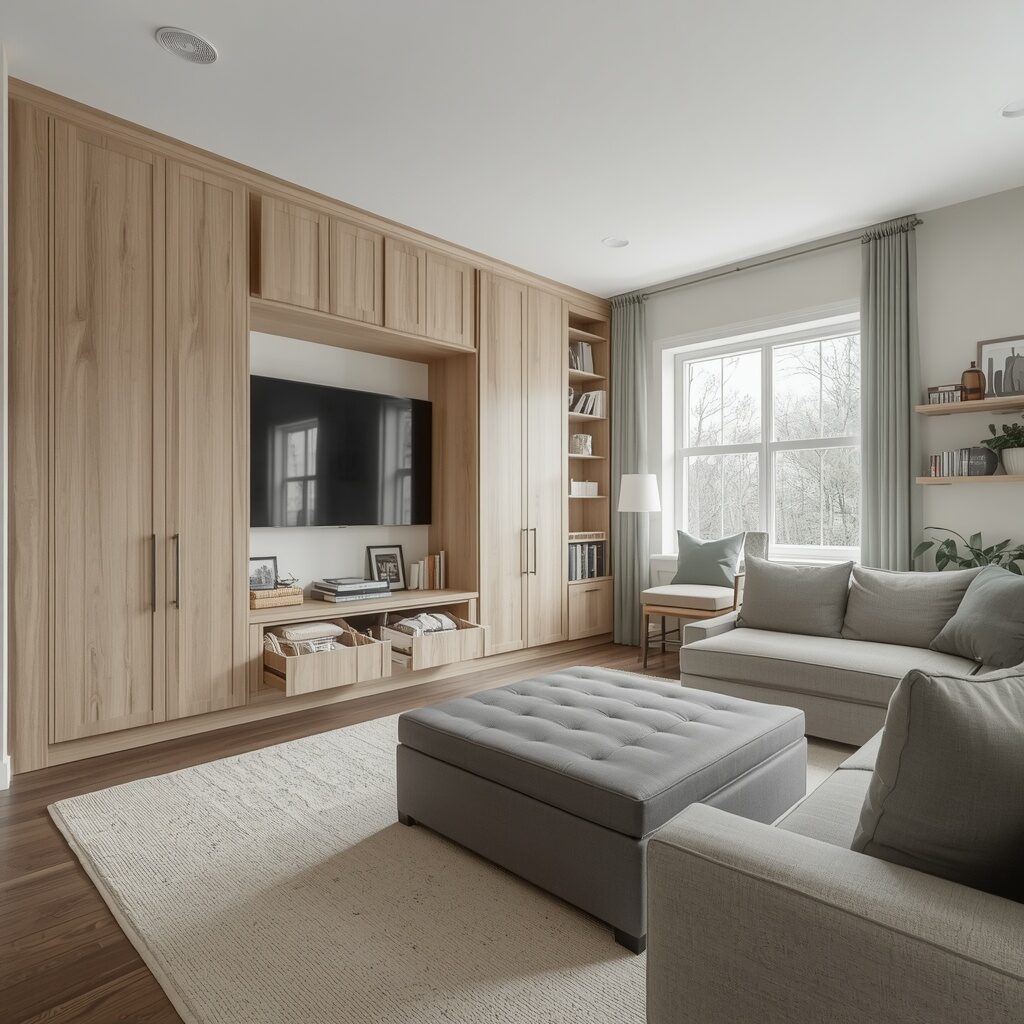
A beautiful family room means nothing if it is constantly buried under toys, magazines, charging cables, and the general debris of daily life. Smart hidden storage is the invisible backbone of a truly functional and serene space. The goal is to give every item a designated home that is easily accessible but completely out of sight when not in use. Built-in cabinetry, storage ottomans, benches with lift-up seats, and floating shelves with concealed brackets can all contribute to a room that looks effortlessly tidy even when life is anything but.
This idea is essential for family rooms because they are high-traffic spaces where clutter accumulates quickly. An ottoman that opens to store blankets, a coffee table with drawers for remotes, or a media console with doors that hide gaming equipment can make the difference between a room that stresses you out and one that restores you. Choose storage solutions that blend seamlessly with your decor so they do not announce themselves as utilitarian afterthoughts. The emotional payoff is profound: a clean, organized space creates a calm mind, and a calm mind is the greatest luxury of all.
23. Two-Tone Wall Treatment
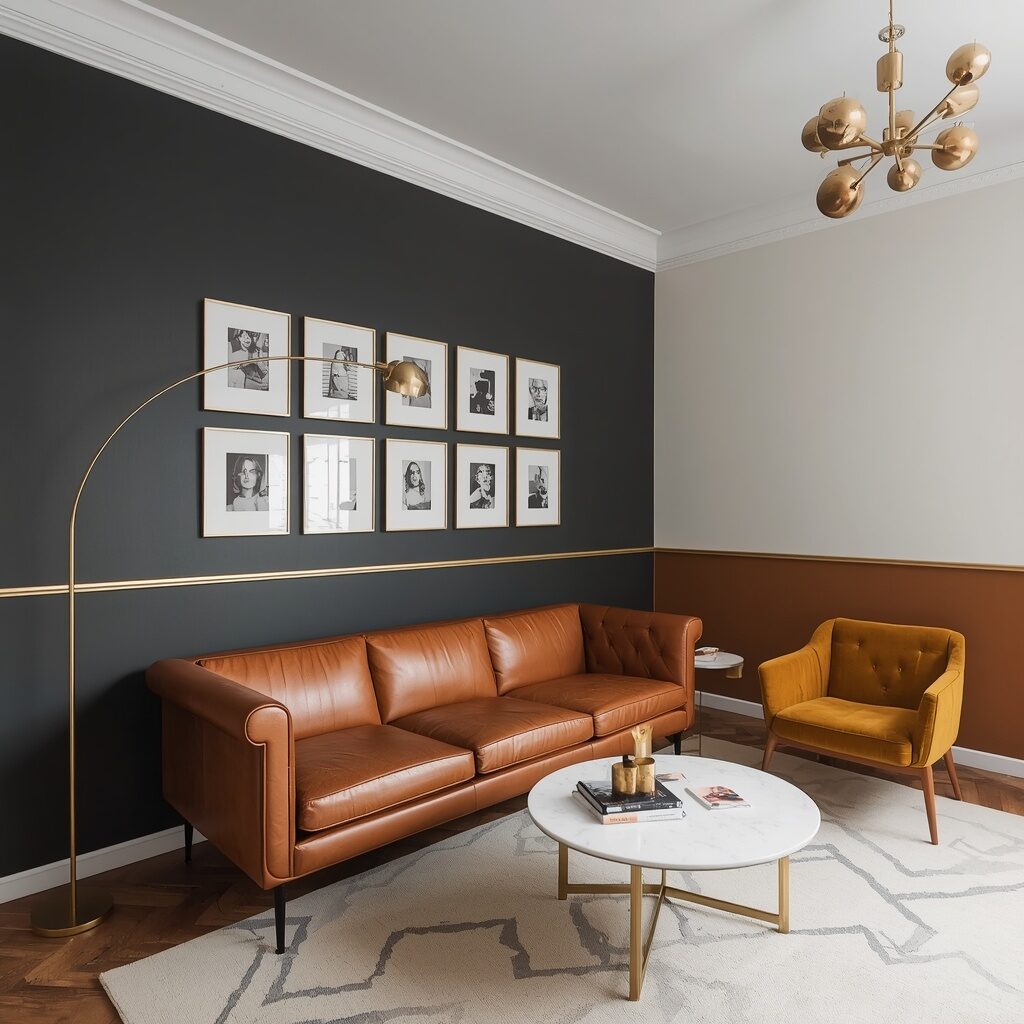
Two-tone walls are one of the most impactful yet affordable ways to add architectural interest and personality to your family room. By painting the lower half of the walls in a deeper, richer color and keeping the upper half light and airy, you create a visual foundation that grounds the room while maintaining brightness and openness. The dividing line—whether marked by picture rail molding, a simple painted edge, or even a strip of wallpaper—adds a custom, designer feel that belies how simple the technique actually is.
This trend is beloved because it offers the drama of a dark room with the breathability of a light one. The dark lower half hides scuffs and marks better than white walls, making it surprisingly practical for family living. It also creates a natural focal point that draws the eye around the room. Choose colors that complement your furniture and decor, and do not be afraid to go bold on the bottom half since the white above will balance it. The emotional effect is one of confident style, a room that feels designed rather than decorated.
24. Indoor-Outdoor Flow
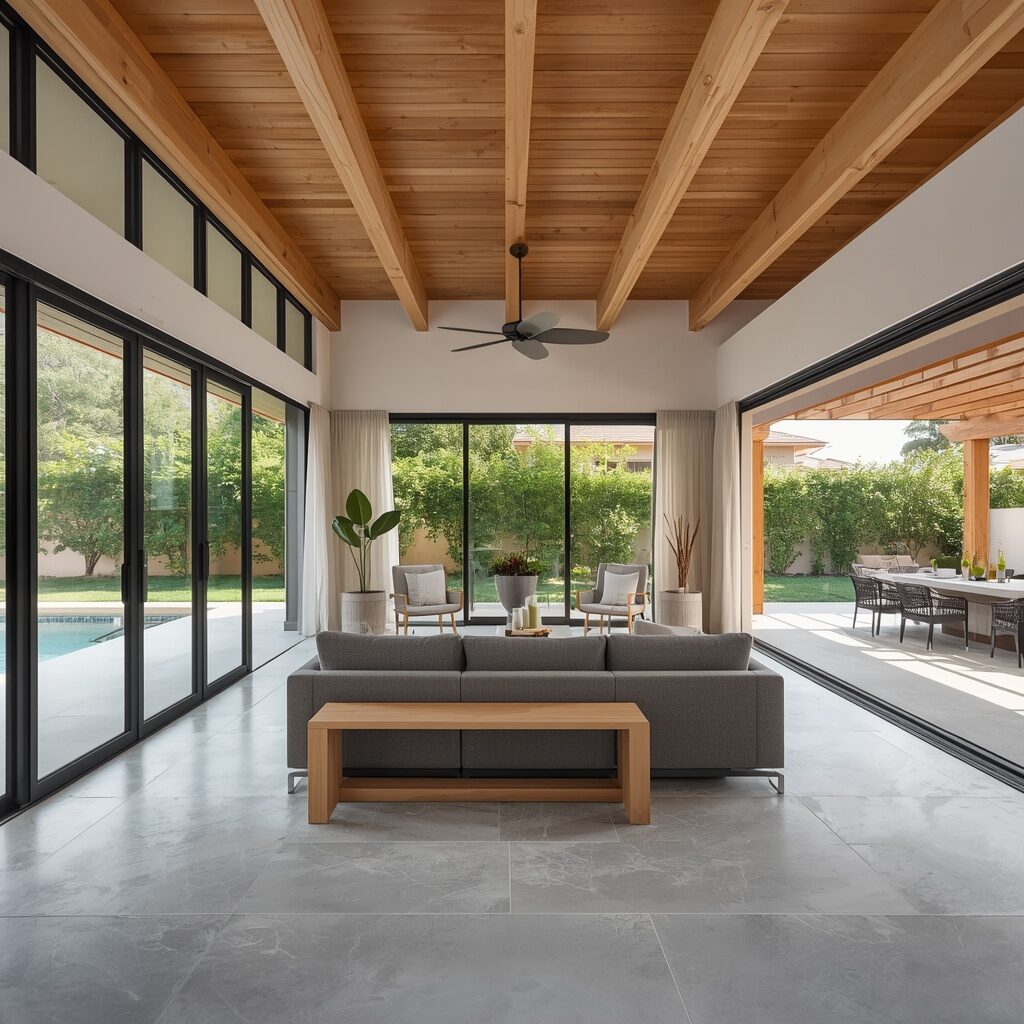
There is a particular kind of joy that comes from a space that refuses to acknowledge the boundary between inside and outside. When your family room opens directly onto a patio, garden, or deck through expansive sliding or folding doors, the room itself feels larger, lighter, and more alive. The key to making this work is continuity: use similar flooring materials, color palettes, and furniture styles on both sides of the threshold so the transition feels natural rather than jarring. When the doors are open, the family room becomes an extension of the garden, and the garden becomes an extension of the home.
This idea is especially powerful in temperate climates but can be adapted anywhere with the right design choices. Even if you cannot install massive sliding doors, you can create the feeling of indoor-outdoor flow by positioning plants near windows, using natural materials that echo the landscape outside, and choosing a color palette drawn from nature. The emotional impact is one of freedom and connection, a room that breathes with the seasons and reminds you that you are part of a larger natural world.
25. Dramatic Dark Ceiling
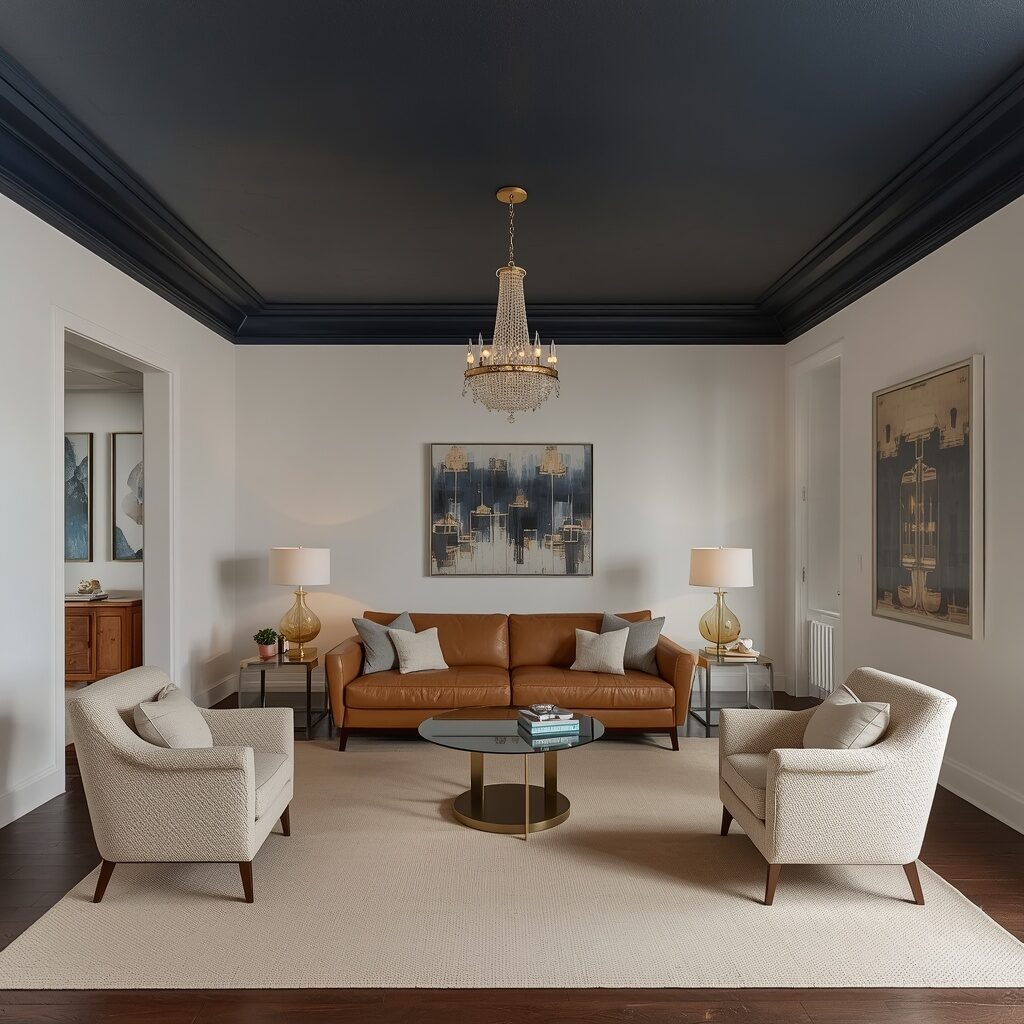
Most people never think about their ceiling, which is exactly why painting it a dramatic dark color is such a powerful design move. A deep navy, charcoal, or forest green ceiling transforms the entire feeling of a family room, creating a sense of intimacy and cocoon-like comfort that white ceilings simply cannot achieve. The dark color above makes the walls feel taller and the room feel more enveloping, as if the space is wrapping itself around you.
This trend is gaining momentum because it challenges the conventional rule that ceilings must always be white. In reality, a dark ceiling can make a room feel more architecturally interesting and emotionally secure. The key is to balance the darkness below with light walls and plenty of warm lighting. A statement chandelier becomes even more impactful against a dark background, functioning like a piece of jewelry against dark fabric. The emotional effect is one of sanctuary and drama, a room that feels like a private retreat from the world.
✨ Keep scrolling, the next ideas get even better!
26. Artisan Handmade Ceramics
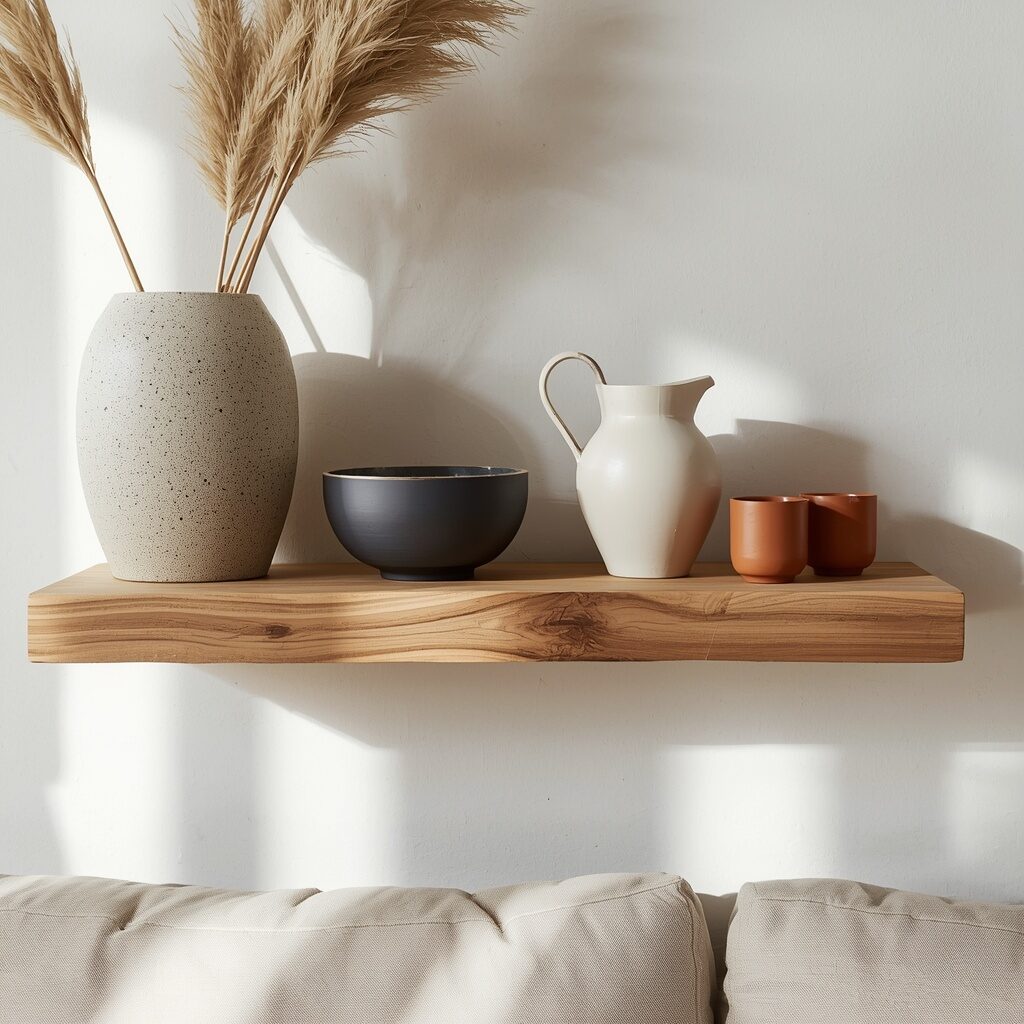
In an age of mass production and digital everything, handmade objects carry a special kind of magic. Artisan ceramics—with their slight asymmetries, visible throwing marks, and unique glazes—bring a human presence into your family room that factory-made decor cannot replicate. A single large stoneware vase on a coffee table, a collection of small bowls on a shelf, or a handmade ceramic lamp base becomes a focal point that draws the eye and the hand, inviting touch and contemplation.
This trend speaks to our deep need for authenticity and connection in our living spaces. When you display handmade ceramics, you are not just decorating; you are supporting craftspeople and bringing objects with stories into your home. Mix different styles and finishes for a collected feel: pair a rough, unglazed terracotta piece with a smooth, glossy porcelain vessel. Group items in odd numbers and vary the heights for visual interest. The emotional result is a room that feels soulful and intentional, a space where beauty and imperfection coexist harmoniously.
27. Cozy Layered Lighting
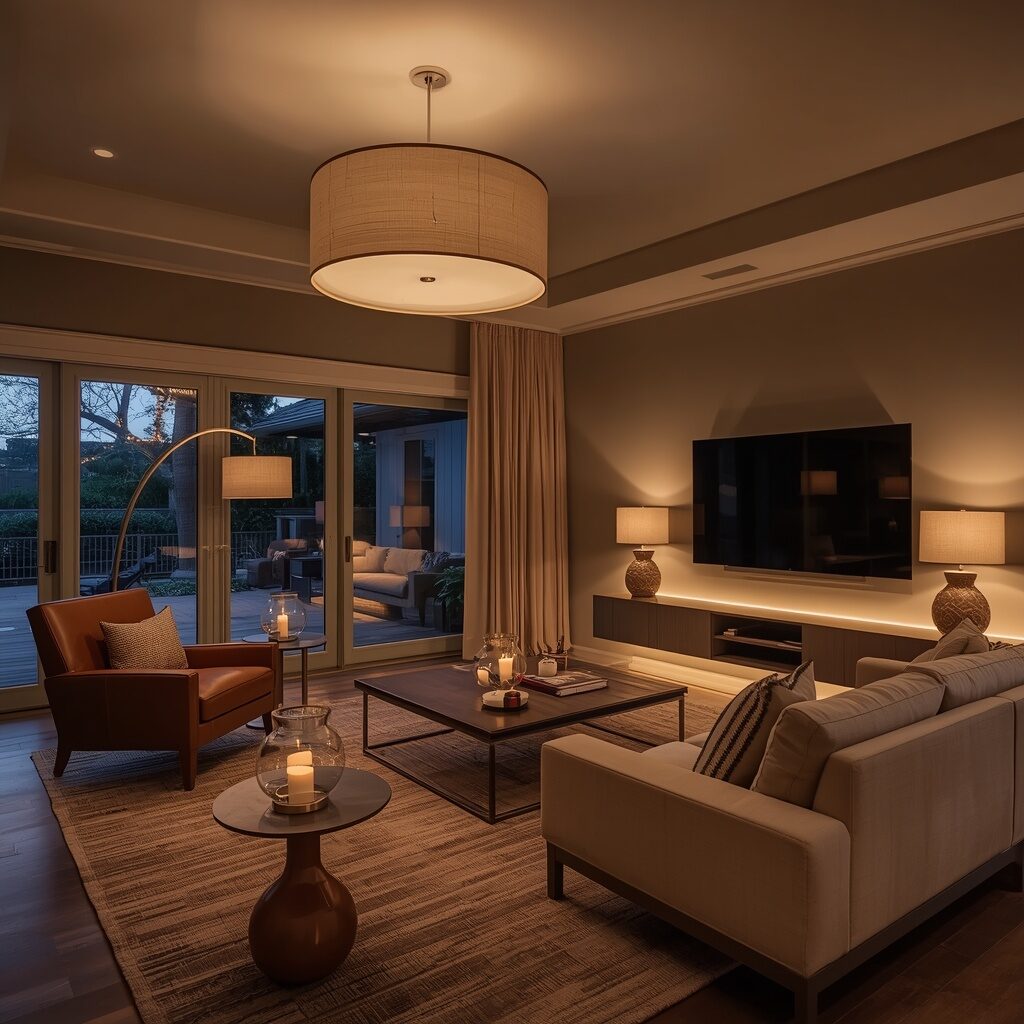
Lighting is the most underrated element of interior design, and yet it has the power to completely transform how a room feels at different times of day. A family room with only one overhead light fixture feels flat and harsh, no matter how beautiful the furniture is. The solution is layered lighting: a mix of ambient light from ceiling fixtures, task lighting from reading lamps, and accent lighting from candles or hidden LED strips. Each layer serves a different purpose, and together they create a room that feels warm, dimensional, and adaptable.
This idea is essential because family rooms serve so many different functions throughout the day. In the morning, you want bright, energizing light. In the evening, you want soft, relaxing glow. At night, you might want just the flicker of candles. Dimmer switches are your best friend here, allowing you to adjust each layer independently. Choose warm-toned bulbs (2700K to 3000K) rather than cool white, as warm light is more flattering and relaxing. The emotional effect is one of control and comfort, a room that responds to your needs and wraps you in the perfect light for every moment.
28. Personal Memory Display
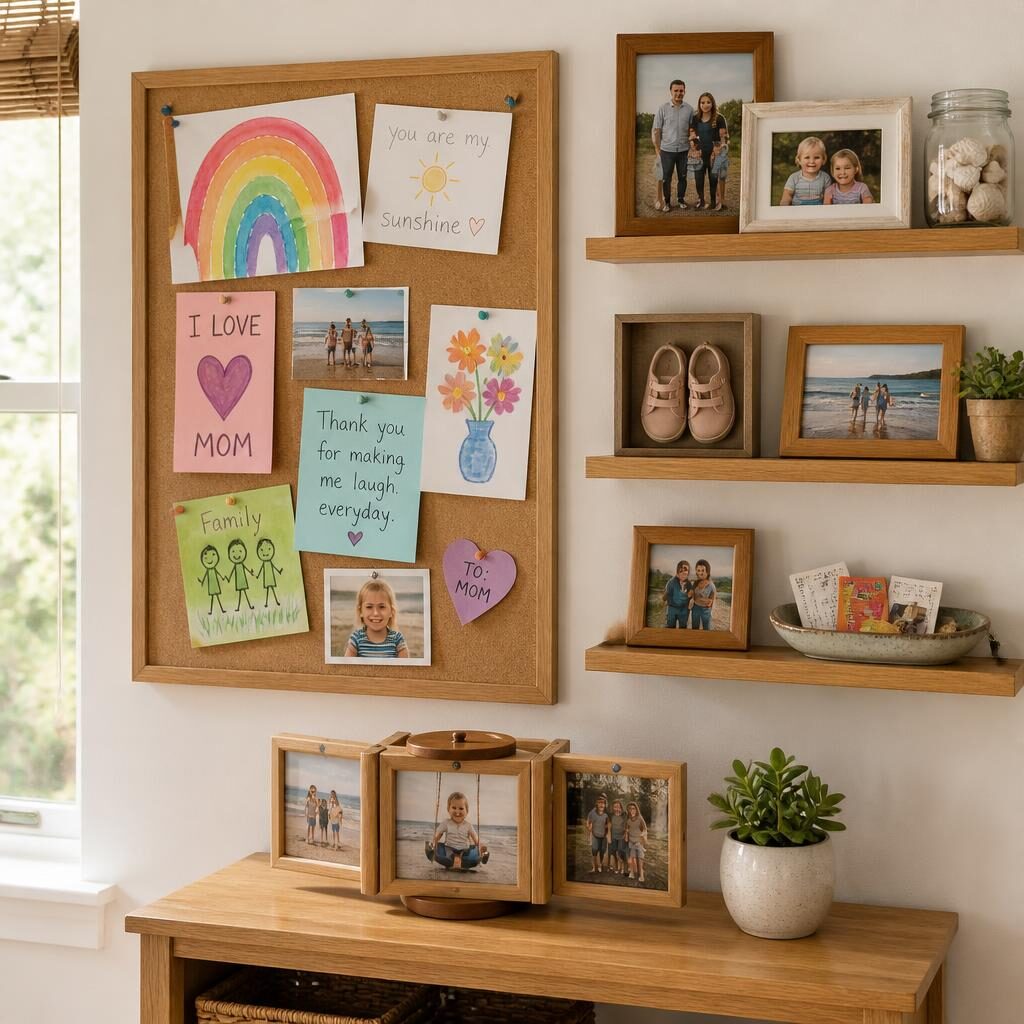
A family room should be a living scrapbook, a space that grows and changes as your family does. Creating a dedicated area for personal memories—whether it is a gallery wall of family photos, a corkboard for children’s artwork, or shelves for treasured keepsakes—adds a layer of meaning that no designer object can provide. This display becomes a daily reminder of the people you love and the moments you have shared, turning your walls into a celebration of your life together.
The beauty of a personal memory display is that it is never finished. As your children grow, their artwork changes and new photographs are added. As you travel, new treasures find their way home. This evolving quality keeps the room feeling alive and current rather than static. Use frames and display methods that make it easy to swap things out, and do not worry about perfection—the charm is in the casual, collected feel. The emotional impact is profound: every time you glance at the wall, you are reminded of what truly matters, and your family room becomes a shrine to love and connection.
29. Luxe Home Bar Corner
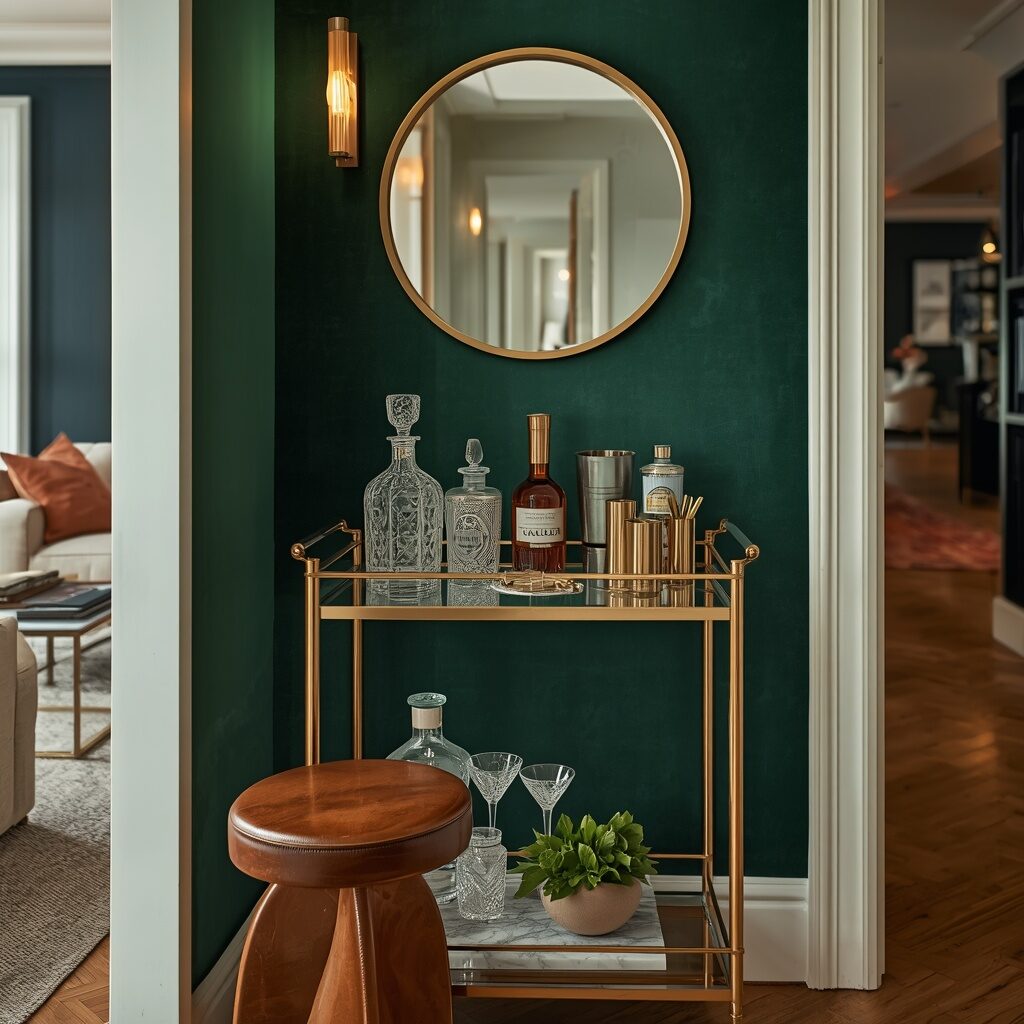
Entertaining at home has never been more popular, and having a dedicated bar area in your family room adds a touch of grown-up glamour that makes every evening feel like a special occasion. You do not need a built-in wet bar or a massive space; a well-styled bar cart in a corner, a small console table transformed into a drinks station, or even a floating shelf with beautiful glassware can create the effect. The key is in the styling: choose glassware that feels special, invest in a few quality bar tools, and add ambient lighting to make the area glow.
This idea works because it adds function and flair simultaneously. A bar cart can be rolled out when guests arrive and tucked away when not needed. The bottles and glassware themselves become decorative objects, adding color and sparkle to the room. Choose a cart or station that complements your existing decor—brass and glass for glamour, wood and rattan for a more casual vibe. Add a small mirror behind the bar to amplify light and create a sense of space. The emotional effect is one of celebration and hospitality, a reminder that your home is a place for joy and connection.
30. Seasonal Rotation Ritual
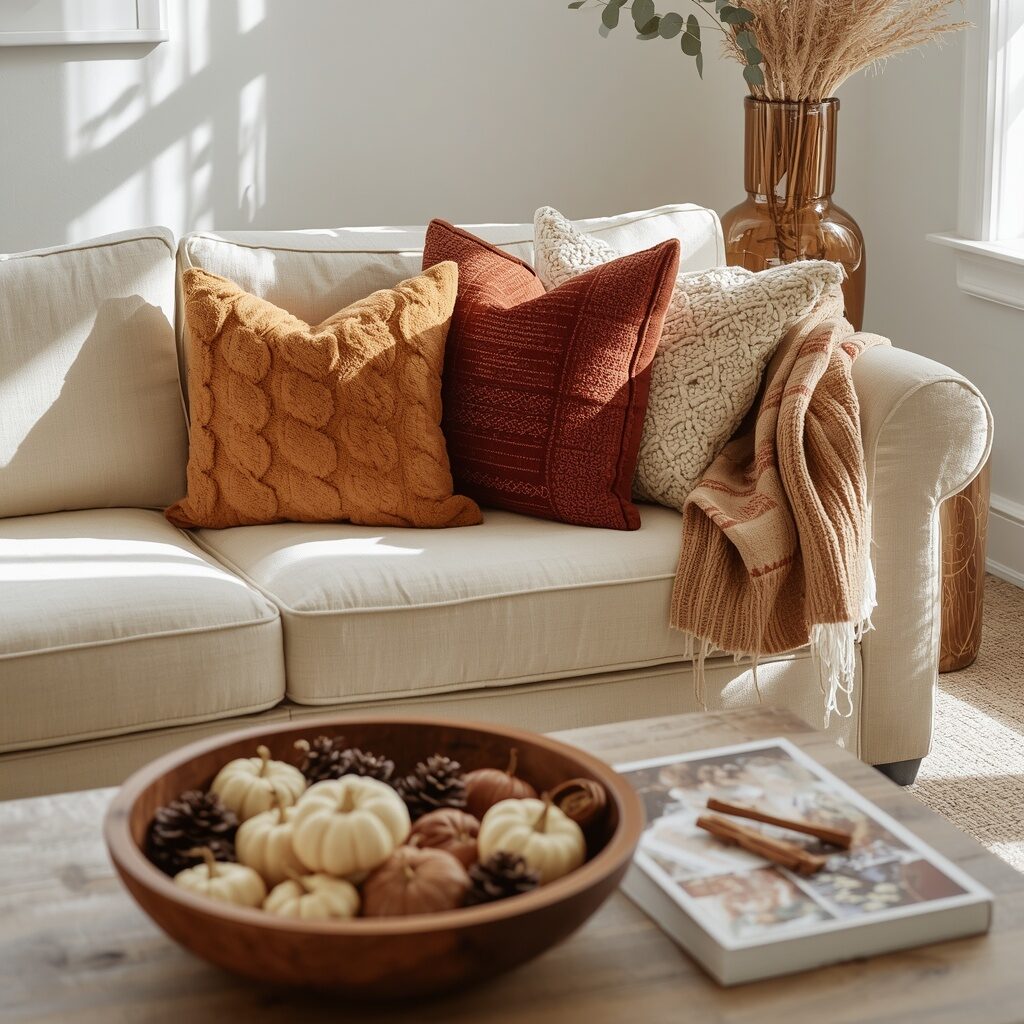
The most beautiful family rooms are not static museum pieces; they are living spaces that breathe and change with the seasons. By establishing a ritual of rotating textiles, pillows, throws, and small decorative objects throughout the year, you keep the room feeling fresh and responsive to the world outside your windows. In spring, bring in soft pastels and fresh florals. In summer, switch to light linens and coastal blues. In autumn, layer in warm amber, rust, and chunky knits. In winter, add deep jewel tones, faux fur, and twinkling lights.
This idea is powerful because it prevents design fatigue and keeps your family room feeling intentional and loved. You do not need to buy new furniture every season; simply changing out pillow covers, throws, and a few tabletop accessories can completely transform the mood of the room. Store off-season items in labeled bins so the rotation is effortless. The emotional payoff is a room that feels in tune with the rhythms of nature, a space that honors the passage of time and gives your family something to look forward to with each changing season.
Related posts: 30 Fall Baby Shower Ideas That Everyone Will Be Obsessed With
Conclusion
Your family room is so much more than just another space in your house. It is where memories are made, where laughter echoes off the walls, and where you return to recharge after the world has asked too much of you. Every idea in this collection is designed to help you create a room that honors those moments—a space that feels beautiful, comfortable, and unmistakably yours. Whether you are drawn to the soft embrace of warm neutrals, the dramatic elegance of a statement fireplace, or the lived-in charm of vintage modern mixing, the most important thing is that your family room reflects the life you actually live and the feelings you want to cultivate.
Great design is not about perfection; it is about intention. It is about choosing the throw blanket that feels like a hug, the light that flatters your face, and the colors that make your heart feel calm. So take these ideas, adapt them to your taste, and start creating the family room of your dreams today. Which idea did you love the most?